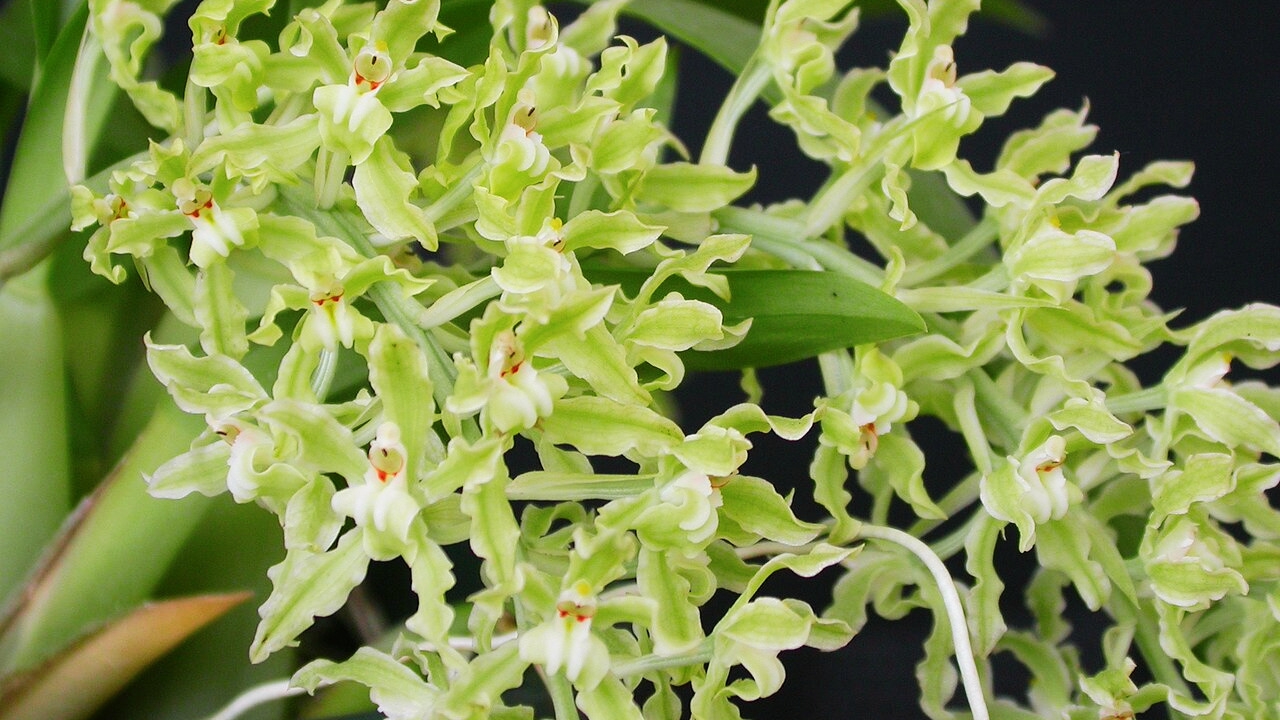
Gomesa orchids are fascinating members of the orchid family, admired for their graceful flower sprays, attractive foliage, and reliable blooming habits. Many species once classified under the Oncidium group have been reassigned to the Gomesa genus, making these plants familiar to orchid enthusiasts who appreciate dancing-lady-type flowers. Native primarily to South America, Gomesa orchids thrive in warm, humid environments where they grow as epiphytes on trees or occasionally as lithophytes on rocky surfaces.
Their vibrant blooms often appear in shades of yellow, brown, orange, and green, creating striking displays that can last for several weeks. With the right care, these orchids are rewarding plants that bloom regularly and continue to grow into impressive specimens over time.
Understanding the Natural Habitat of Gomesa Orchids
Learning about the natural environment of Gomesa orchids helps gardeners recreate ideal growing conditions. In the wild, these orchids are commonly found in tropical and subtropical forests where they receive filtered sunlight through the forest canopy. They experience high humidity, consistent air movement, and periodic rainfall throughout the year.
Because they grow attached to trees rather than in soil, their roots are adapted to absorb moisture and nutrients quickly while drying out between watering cycles. Replicating these conditions at home is the key to maintaining healthy plants and encouraging abundant flowering.
Choosing the Right Growing Location
A suitable location is one of the most important factors in successful Gomesa orchid cultivation. These orchids prefer bright, indirect light. An east-facing window often provides ideal conditions, offering gentle morning sunlight without the intense heat of the afternoon.
South-facing windows can also work if filtered with a sheer curtain. If leaves become dark green and flowering is sparse, the plant may need more light. Conversely, yellowing or scorched leaves indicate excessive sunlight exposure.
Indoor growers can successfully cultivate Gomesa orchids under artificial grow lights. Position the lights approximately 12 to 18 inches above the plant and provide around 12 to 14 hours of illumination daily.
Temperature Requirements for Healthy Growth
Gomesa orchids generally enjoy intermediate to warm temperatures. Daytime temperatures between 70°F and 85°F (21°C to 29°C) support vigorous growth, while nighttime temperatures between 55°F and 65°F (13°C to 18°C) encourage healthy development.
A moderate difference between day and night temperatures often stimulates flower spike production. Most species tolerate short periods of warmer weather if humidity and air circulation remain adequate. Avoid exposing plants to sudden temperature fluctuations, cold drafts, or frost, which can stress the orchid and damage its foliage.
Humidity and Air Circulation Needs
Like many tropical orchids, Gomesa plants appreciate humidity levels ranging from 50 to 80 percent. Higher humidity encourages robust root development and healthy leaf growth.
When growing indoors, humidity trays, room humidifiers, or grouping plants together can help maintain suitable moisture levels in the air. However, humidity should always be paired with good air circulation. Stagnant air can promote fungal diseases and root problems.
A small oscillating fan positioned nearby can improve airflow without directly blasting the plant. Consistent ventilation closely mimics the natural forest environment these orchids enjoy.
Selecting the Best Potting Medium
Since Gomesa orchids are epiphytic, they require a well-draining potting mix rather than traditional garden soil. Orchid bark is commonly used because it allows air to circulate freely around the roots while preventing waterlogging.
A mixture containing medium-grade bark, perlite, charcoal, and sphagnum moss often provides excellent drainage and moisture retention. The ideal mix depends on local climate conditions. Growers in dry environments may use more moisture-retentive materials, while those in humid regions often favor faster-draining blends.
The pot should contain adequate drainage holes to ensure excess water escapes quickly.
Watering Gomesa Orchids Properly
Watering is one of the most critical aspects of orchid care. Gomesa orchids prefer a wet-dry cycle where roots receive thorough watering followed by partial drying before the next application.
During active growth in spring and summer, watering may be needed once or twice per week depending on environmental conditions. During cooler months, watering frequency should be reduced.
When watering, thoroughly soak the potting medium until water drains from the bottom of the container. Avoid allowing the plant to sit in standing water. Healthy roots should appear firm and green or silvery, while consistently soggy conditions can lead to root rot.
Observing the potting medium rather than following a strict schedule helps ensure proper hydration.
Fertilizing for Strong Growth and Better Blooms
Gomesa orchids benefit from regular feeding during active growth periods. A balanced orchid fertilizer diluted to one-quarter or one-half strength works well for most plants.
Applying fertilizer every two to four weeks during the growing season supports the development of pseudobulbs, leaves, and flower spikes. During winter or periods of reduced growth, fertilization can be decreased significantly.
Many experienced growers follow the principle of feeding lightly but consistently. Periodically flushing the potting mix with plain water helps remove accumulated fertilizer salts that can damage roots over time.
Repotting and Root Maintenance
Repotting is usually necessary every two to three years or whenever the potting medium begins to decompose. Fresh media improves drainage and provides healthier growing conditions for the root system.
The best time to repot is when new roots begin emerging after flowering. Carefully remove the plant from its container, trim dead or damaged roots, and place it into fresh orchid mix.
Choose a pot only slightly larger than the root mass. Oversized containers tend to retain excess moisture, increasing the risk of root problems. After repotting, allow the plant time to establish before resuming a regular fertilizing routine.
Propagation Techniques for Gomesa Orchids
Propagation is most commonly achieved through division. Mature plants often develop multiple pseudobulbs connected by a rhizome. During repotting, these clumps can be carefully separated into smaller sections.
Each division should contain at least three to five healthy pseudobulbs along with an active growth point. Larger divisions typically establish more quickly and bloom sooner than smaller ones.
After division, plant each section in fresh orchid medium and maintain moderate humidity while new roots develop. Avoid excessive watering during the initial recovery period.
Seed propagation is possible but generally reserved for specialized orchid breeders due to the complex sterile conditions required for successful germination.
Bloom Secrets for Spectacular Flower Displays
One of the greatest rewards of growing Gomesa orchids is their impressive flowering performance. Several factors contribute to reliable blooming.
Providing bright filtered light is often the most important requirement. Orchids receiving insufficient light may grow healthy foliage but fail to produce flowers. Maintaining a slight drop in nighttime temperatures can also stimulate spike formation.
Strong pseudobulbs are another indicator of future flowering potential. Healthy bulbs store energy that fuels bloom production. Consistent watering and balanced fertilization during active growth help build these energy reserves.
Patience is equally important. Some plants may require a full growing season to mature before rewarding the grower with abundant blossoms.
Common Problems and Their Solutions
Gomesa orchids are generally resilient but can encounter a few common issues. Root rot typically results from overwatering or poorly draining media. Repotting into fresh mix and adjusting watering practices usually resolves the problem.
Wrinkled pseudobulbs may indicate dehydration, root damage, or insufficient humidity. Inspecting the root system helps identify the underlying cause.
Pests such as mealybugs, scale insects, aphids, and spider mites occasionally attack orchids. Regular inspection allows early detection and treatment before infestations become severe.
Fungal and bacterial diseases can occur in overly humid conditions with poor airflow. Maintaining proper ventilation significantly reduces these risks.
Long-Term Care and Plant Maturity
As Gomesa orchids mature, they become increasingly attractive and floriferous. Larger specimens often produce multiple flower spikes simultaneously, creating spectacular displays. Consistent care over several years results in stronger plants with larger pseudobulbs and more vigorous growth.
Routine observation remains one of the most valuable skills for orchid growers. By monitoring leaf color, root health, moisture levels, and growth patterns, small issues can be corrected before they become serious problems.
With proper light, balanced watering, adequate humidity, and occasional repotting, Gomesa orchids can thrive for decades. Their elegant flowers, manageable care requirements, and dependable blooming habit make them excellent additions to any orchid collection, rewarding growers with beautiful displays year after year.
