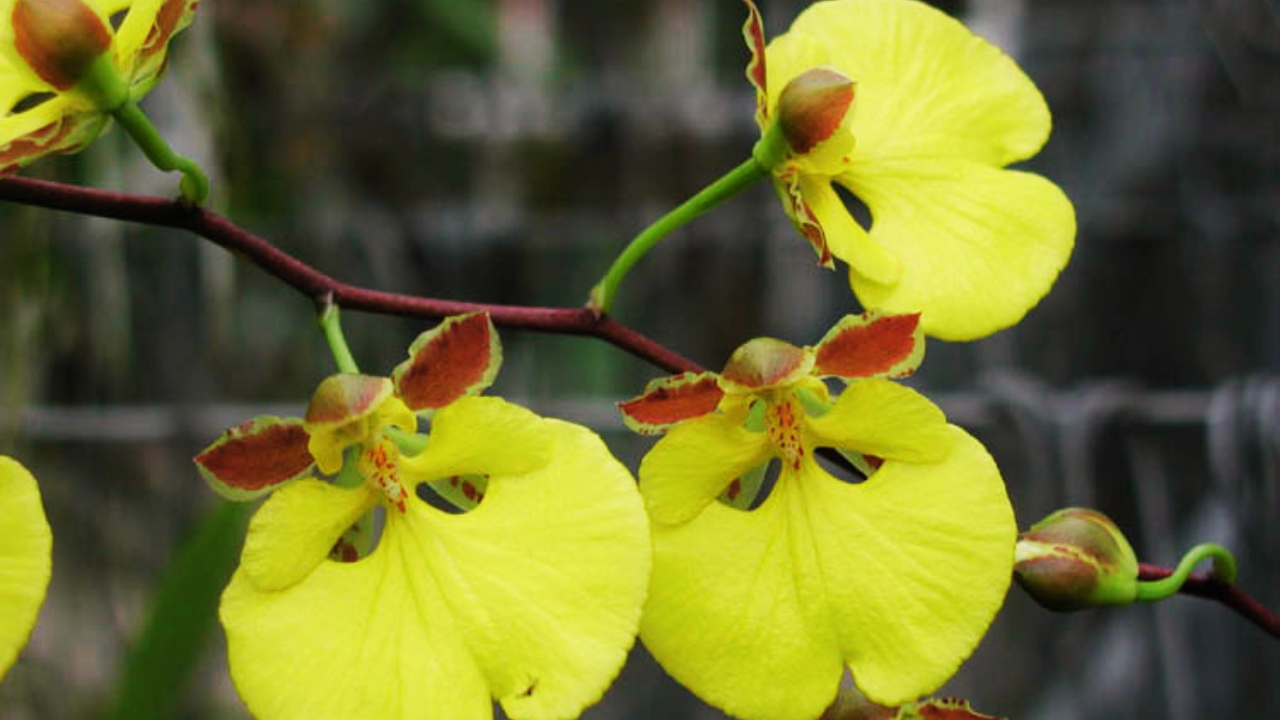
Nohawilliamsia orchids are fascinating plants admired by orchid enthusiasts for their delicate blooms, compact growth habit, and unique appearance. Like many orchids, they bring an exotic touch to indoor and greenhouse collections while rewarding growers with beautiful flowers when provided with the right conditions. Although they may not be as widely known as Phalaenopsis or Cattleya orchids, Nohawilliamsia orchids possess their own charm and can thrive successfully with proper care.
Understanding the natural habitat of these orchids is the key to growing them successfully. Most orchids in this group originate from warm, humid environments where they grow attached to trees or rocks, receiving filtered sunlight, regular moisture, and excellent airflow. By recreating these conditions at home, growers can enjoy healthy plants and regular flowering cycles.
Understanding the Growth Habit
Nohawilliamsia orchids are generally epiphytic, meaning they naturally grow on tree trunks and branches rather than in soil. Their roots are designed to absorb moisture and nutrients from the air and surrounding organic matter. Because of this adaptation, traditional garden soil is unsuitable and can quickly cause root rot.
The plant typically develops compact pseudobulbs and narrow leaves that help store water during brief dry periods. This growth pattern makes the orchid relatively resilient, provided its roots remain healthy and well-aerated. Understanding this epiphytic nature is essential when choosing pots, growing media, and watering routines.
Choosing the Right Growing Location
Location plays a major role in the health and performance of Nohawilliamsia orchids. These plants prefer bright, indirect light throughout the year. An east-facing window is often ideal because it provides gentle morning sunlight without exposing the orchid to harsh afternoon rays.
If grown indoors, place the orchid near a bright window where it receives filtered light. South-facing windows can work as well if sheer curtains are used to diffuse direct sunlight. Outdoors, the plant performs best in a shaded patio, greenhouse, or under the canopy of larger plants.
Insufficient light may result in weak growth and poor flowering, while excessive direct sun can scorch leaves. Healthy leaves should appear medium green rather than dark green or yellow.
Temperature Requirements
Nohawilliamsia orchids generally prefer warm to intermediate temperatures. Daytime temperatures between 20°C and 28°C encourage active growth, while nighttime temperatures between 13°C and 18°C support healthy development and flower initiation.
A moderate difference between day and night temperatures often stimulates blooming. Avoid exposing the orchid to sudden temperature fluctuations, cold drafts, or prolonged periods below 10°C, as these conditions can stress the plant and damage roots and foliage.
During warmer months, increased ventilation helps maintain healthy growth and prevents heat stress.
Humidity and Air Circulation
Humidity is one of the most important factors in orchid cultivation. Nohawilliamsia orchids thrive when humidity levels remain between 50% and 75%. In dry indoor environments, especially during winter, additional humidity may be necessary.
Using a humidity tray filled with water and pebbles can help increase moisture around the plant. Room humidifiers are also beneficial for larger orchid collections. However, high humidity should always be accompanied by good air circulation.
Gentle airflow reduces the risk of fungal diseases, bacterial infections, and root problems. Small fans in growing areas can provide adequate air movement without creating strong drafts.
Selecting the Best Potting Medium
Because Nohawilliamsia orchids require excellent drainage, selecting the proper potting mix is essential. A typical orchid mix containing medium-grade bark, perlite, charcoal, and sphagnum moss provides a balanced environment for root development.
The growing medium should retain enough moisture to keep roots hydrated while allowing excess water to drain freely. Dense, compact materials should be avoided because they restrict airflow and increase the risk of root rot.
Mounted cultivation on cork bark or tree fern slabs can also be successful, especially in humid environments where roots dry gradually between waterings.
Watering Nohawilliamsia Orchids
Watering is often the most challenging aspect of orchid care. Nohawilliamsia orchids prefer consistent moisture during active growth but should never remain waterlogged.
A good rule is to water thoroughly when the potting medium approaches dryness. During warm growing seasons, watering may be required once or twice each week. During cooler months, watering frequency can be reduced.
When watering, allow water to flow freely through the pot until all roots are thoroughly moistened. Avoid leaving standing water around the roots or inside decorative containers.
The appearance of the roots can help determine watering needs. Healthy hydrated roots often appear plump and green, while dry roots may look silvery or gray.
Fertilizing for Healthy Growth
Regular feeding helps Nohawilliamsia orchids maintain vigorous growth and produce attractive flowers. A balanced orchid fertilizer diluted to one-quarter or one-half strength works well throughout the growing season.
Most growers fertilize every two to four weeks during active growth. During winter or periods of dormancy, fertilizer applications can be reduced significantly.
Periodic flushing of the potting medium with plain water helps remove accumulated salts that may damage roots over time. Consistent but moderate feeding generally produces the best results.
Repotting and Root Care
Repotting should be performed every two to three years or whenever the potting medium begins to break down. Decomposed bark loses its ability to provide adequate airflow and drainage, increasing the risk of root problems.
The ideal time to repot is when new root growth begins. Carefully remove the orchid from its container and inspect the root system. Dead, soft, or blackened roots should be trimmed away using sterile cutting tools.
Place the orchid in fresh orchid mix and position it securely so new roots can establish quickly. Avoid using oversized pots, as excessive moisture retention can lead to root rot.
Encouraging Flowering
Healthy Nohawilliamsia orchids typically bloom when their environmental requirements are met consistently. Bright indirect light, appropriate temperatures, proper feeding, and a slight day-to-night temperature difference all contribute to flower production.
Patience is important because orchids often require time to mature before flowering regularly. Once buds appear, avoid moving the plant frequently, as sudden environmental changes may cause bud drop.
Providing stable growing conditions throughout the year is often the most effective strategy for achieving reliable blooms.
Propagation Methods
Propagation is usually accomplished through division. Mature plants that have developed multiple pseudobulbs can be divided during repotting.
Each division should contain several healthy pseudobulbs and an active growing point. This ensures sufficient energy reserves for successful establishment. After division, allow any cut surfaces to dry briefly before planting in fresh orchid media.
New divisions may take some time to recover and establish roots, but with proper care they will eventually resume active growth and flowering.
Common Problems and Solutions
Like all orchids, Nohawilliamsia can occasionally encounter challenges. Yellow leaves may indicate excessive sunlight, while dark green foliage often suggests insufficient light. Root rot is commonly caused by poor drainage or excessive watering.
Wrinkled pseudobulbs can signal dehydration, although damaged roots may also prevent proper water absorption. Pests such as mealybugs, scale insects, aphids, and spider mites may occasionally appear and should be treated promptly.
Regular inspection allows growers to identify problems early before significant damage occurs.
Seasonal Care Tips
During spring and summer, focus on providing adequate water, humidity, and fertilizer to support active growth. As temperatures cool in autumn, gradually reduce watering while maintaining bright light.
Winter care should emphasize good airflow and avoiding excessive moisture around roots. Although growth may slow, the plant should continue receiving sufficient light to remain healthy.
Adjusting care routines according to seasonal changes helps maintain strong plants year-round and encourages future flowering.
Conclusion
Growing Nohawilliamsia orchids can be a rewarding experience for both beginner and experienced orchid enthusiasts. Their elegant flowers, compact size, and unique growth habit make them a valuable addition to any orchid collection. Success depends on recreating the conditions these plants enjoy in nature, including bright filtered light, moderate temperatures, consistent humidity, proper watering, and excellent drainage.
With patience and attentive care, Nohawilliamsia orchids can thrive for many years, producing healthy growth and beautiful blooms that showcase the remarkable diversity of the orchid family.
