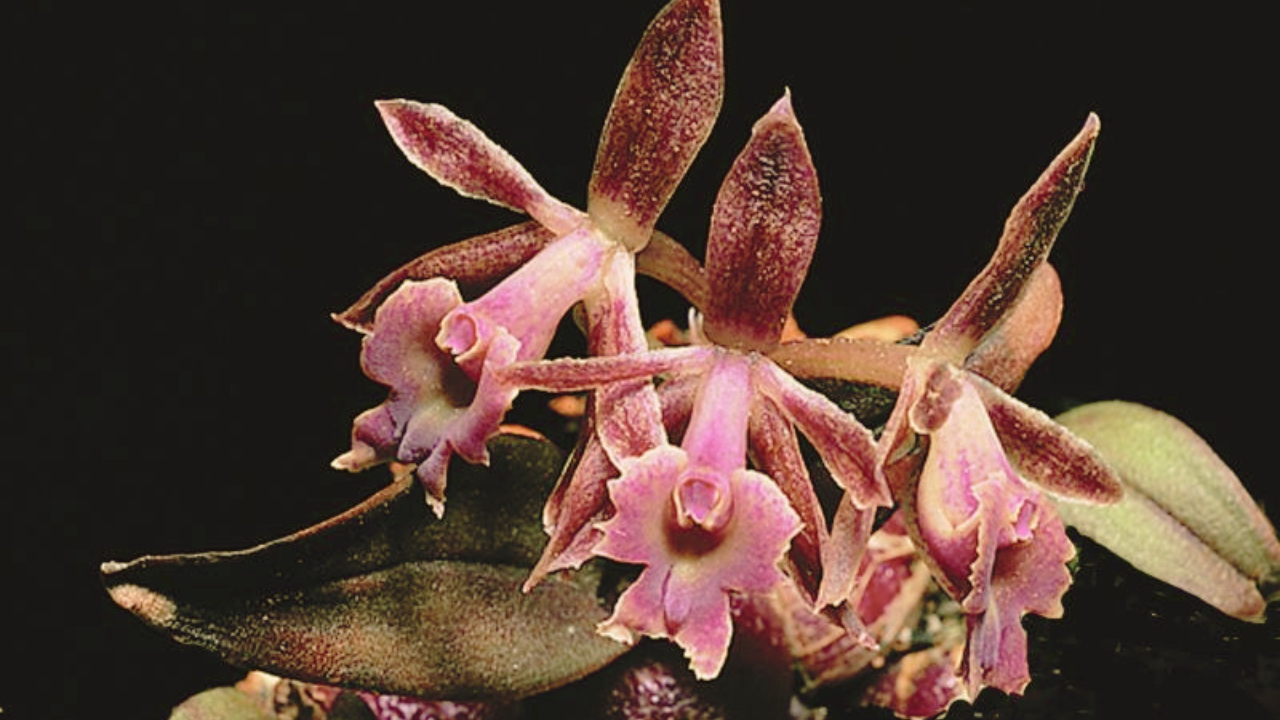
Microepidendrum is a fascinating group of miniature orchids admired by collectors for their compact size, elegant growth habit, and delicate flowers. These orchids are especially appealing to growers who have limited growing space but still want to enjoy the beauty and diversity of orchid cultivation. Despite their small stature, Microepidendrum species can produce impressive floral displays when provided with suitable growing conditions.
Native to tropical and subtropical regions, these orchids typically grow as epiphytes, attaching themselves to tree branches where they receive filtered sunlight, excellent air circulation, and frequent moisture. Understanding their natural habitat is the key to successfully cultivating them at home. With proper care, Microepidendrum orchids can thrive for many years and reward growers with regular blooming cycles.
Understanding the Natural Growing Environment
Microepidendrum orchids evolved in environments where temperatures remain relatively stable throughout the year. They commonly grow in humid forests where rainfall is frequent, but water drains quickly away from their roots. These conditions prevent root rot while ensuring consistent hydration.
Because they naturally grow attached to trees, their roots are exposed to moving air and do not remain buried in soil. This characteristic makes proper potting and watering practices especially important. Recreating these conditions in cultivation helps the plants maintain healthy roots, vigorous growth, and reliable flowering.
Light Requirements for Healthy Growth
Providing the correct amount of light is one of the most important aspects of Microepidendrum care. These orchids generally prefer bright, indirect light. They enjoy filtered sunlight similar to what they would receive beneath a forest canopy.
An east-facing window often provides ideal lighting conditions. South-facing windows can also work if the light is filtered through a curtain. Excessive direct sunlight may scorch the leaves, causing yellow patches or burned areas. On the other hand, insufficient light often results in poor growth and reduced flowering.
Healthy plants typically display medium-green foliage. Dark green leaves may indicate inadequate light, while yellowish leaves can suggest excessive exposure. Finding the right balance will encourage stronger growth and better bloom production.
Temperature Preferences
Microepidendrum orchids generally thrive in intermediate to warm temperatures. Daytime temperatures between 65°F and 80°F (18°C to 27°C) are usually ideal. Night temperatures can safely drop to around 55°F to 65°F (13°C to 18°C).
A slight temperature difference between day and night often helps stimulate flowering. Consistent temperatures that mimic natural conditions contribute to healthier growth and stronger blooming cycles.
Avoid exposing the plant to sudden temperature fluctuations, cold drafts, or heating vents. Extreme conditions can stress the orchid and negatively impact both growth and flowering.
Humidity and Air Circulation
Like many miniature orchids, Microepidendrum appreciates moderate to high humidity. Humidity levels between 50 and 80 percent generally produce excellent results. In naturally humid climates, maintaining these levels may be easy. In drier environments, additional humidity measures may be necessary.
Humidity trays, room humidifiers, and grouping plants together can help increase moisture levels around the orchid. However, high humidity should always be paired with good air circulation. Stagnant air can encourage fungal diseases and bacterial infections.
A small fan running nearby can provide gentle airflow without directly blowing on the plant. Proper air movement helps keep foliage dry while promoting healthy root development.
Choosing the Right Potting Medium
Because Microepidendrum orchids are epiphytic, they require a potting mix that allows excellent drainage and aeration. Standard garden soil is unsuitable and can quickly lead to root problems.
Fine-grade orchid bark is often an excellent choice for these miniature orchids. Some growers also incorporate sphagnum moss, perlite, charcoal, or coconut husk chips to improve moisture retention while maintaining airflow.
The ideal medium should hold some moisture but never remain soggy for extended periods. Roots need access to oxygen as much as they need water. A well-balanced mix helps create the perfect environment for healthy root growth.
Watering Techniques for Success
Proper watering is crucial for maintaining a healthy Microepidendrum orchid. These plants prefer consistent moisture but dislike standing water around their roots.
Water thoroughly when the growing medium approaches dryness. Allow excess water to drain completely before returning the plant to its growing location. During active growth periods, watering may be required more frequently. In cooler months or during slower growth phases, watering can often be reduced.
The exact schedule depends on factors such as temperature, humidity, pot size, and growing medium. Rather than following a strict calendar, monitor the condition of the roots and potting mix to determine when watering is needed.
Overwatering remains one of the most common causes of orchid failure. Healthy roots should appear firm and vibrant rather than soft, dark, or mushy.
Fertilizing for Strong Growth and Blooms
Microepidendrum orchids benefit from regular but moderate feeding. A balanced orchid fertilizer diluted to one-quarter or one-half strength can be applied every two to four weeks during active growth.
Many growers follow the principle of feeding lightly but consistently. Excess fertilizer can damage roots and lead to salt accumulation in the growing medium. Periodically flushing the pot with clean water helps remove any excess mineral buildup.
During periods of slower growth, fertilization can be reduced. Consistent nutrition supports healthy foliage development, stronger root systems, and improved flowering performance.
Repotting and Root Care
Repotting is usually necessary every one to two years or whenever the growing medium begins to break down. Fresh media improves drainage and provides a healthier environment for the roots.
The best time to repot is often when new root growth begins. Carefully remove the orchid from its container and inspect the root system. Any dead or damaged roots can be trimmed away using sterilized tools.
Choose a pot that comfortably accommodates the root system without being excessively large. Overly large pots can retain too much moisture and increase the risk of root rot.
After repotting, allow the plant time to adjust before resuming a normal fertilization schedule.
Encouraging Reliable Flowering
Blooming success depends on several interconnected factors, including light, temperature, watering, and overall plant health. Microepidendrum orchids typically flower more consistently when they receive bright filtered light and proper seasonal care.
Maintaining healthy roots is especially important because strong root systems provide the energy necessary for flower production. Adequate nutrition and slight nighttime temperature drops may also encourage bud formation.
Patience is important, particularly with young plants. As the orchid matures and establishes itself, flowering generally becomes more regular and abundant.
Common Problems and Solutions
Microepidendrum orchids are relatively resilient when their basic needs are met. However, certain issues can occasionally arise.
Yellow leaves may indicate excessive sunlight or watering problems. Wrinkled leaves often suggest insufficient moisture or root damage. Failure to bloom is frequently linked to inadequate light levels.
Pests such as mealybugs, scale insects, aphids, and spider mites may occasionally appear. Regular inspections help identify infestations before they become serious. Prompt treatment with appropriate orchid-safe methods can usually resolve these issues.
Fungal and bacterial diseases are often associated with excessive moisture and poor air circulation. Improving growing conditions is often the most effective preventive measure.
Propagation Methods
Propagation is typically achieved through division when mature plants develop multiple growths. Dividing an orchid should only be attempted when the plant is large and healthy enough to support separate sections.
Each division should contain sufficient roots and active growth points to ensure successful establishment. After division, maintain stable humidity and avoid excessive watering until new growth becomes evident.
Propagation requires patience, but it can be an excellent way to expand a collection or share plants with fellow orchid enthusiasts.
Long-Term Care and Maintenance
Successful long-term cultivation of Microepidendrum orchids involves observing the plant and adjusting care as needed. Environmental conditions may change throughout the year, requiring modifications to watering, humidity, and light exposure.
Routine monitoring helps identify potential problems early and allows growers to respond before serious damage occurs. With consistent care, these miniature orchids can remain attractive and productive for many years.
Their compact size, charming flowers, and manageable care requirements make them rewarding additions to any orchid collection. By replicating their natural environment and maintaining proper cultural practices, growers can enjoy healthy plants and beautiful blooms season after season.
Conclusion
Microepidendrum orchids may be small in size, but they offer tremendous beauty and satisfaction for orchid enthusiasts. Their success depends on providing bright filtered light, moderate warmth, adequate humidity, excellent drainage, and careful watering practices. When these requirements are met, the plants develop strong roots, healthy foliage, and dependable blooms.
Whether you are a beginner looking to explore miniature orchids or an experienced collector seeking unique additions to your collection, Microepidendrum orchids are well worth growing. Their elegant appearance and relatively straightforward care make them a rewarding choice for any orchid lover dedicated to creating the right environment for long-term success.
