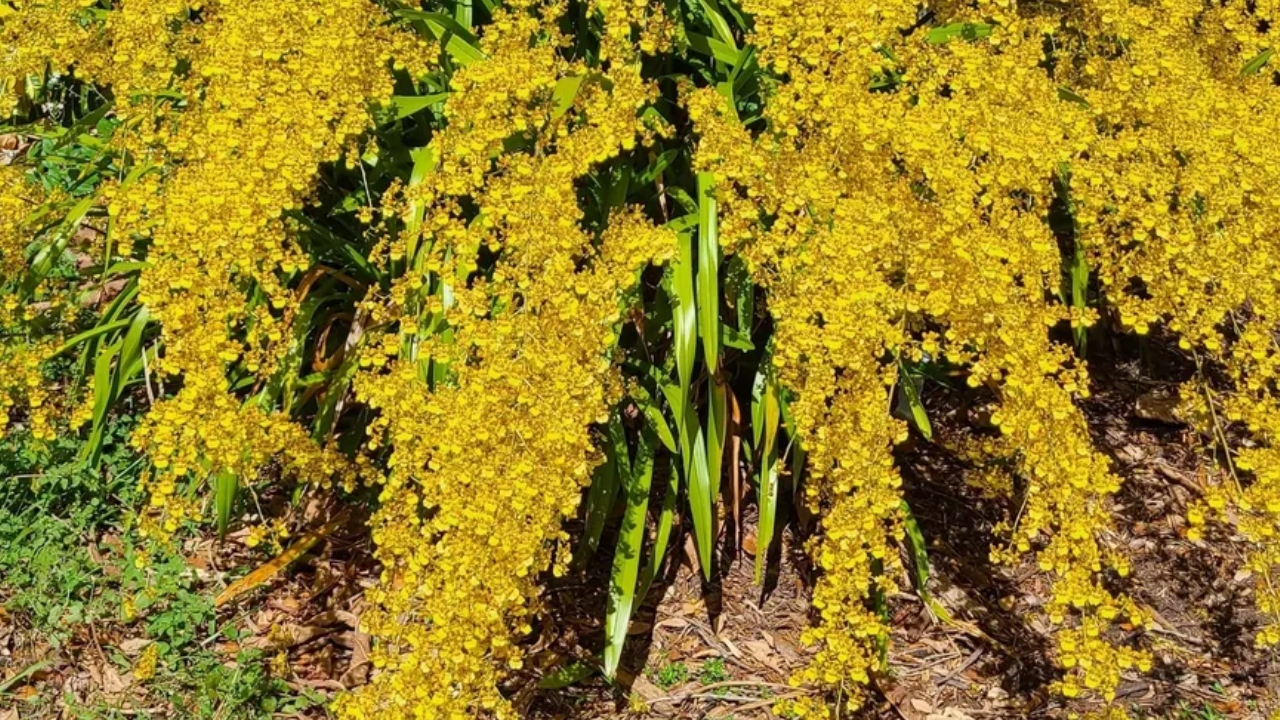
Notyliopsis orchids are charming miniature orchids admired by collectors for their compact growth habit, attractive foliage, and delicate flowers. Native to tropical regions of Central and South America, these orchids thrive in warm, humid environments where they often grow as epiphytes on tree branches. Although they are not as commonly cultivated as Phalaenopsis or Cattleya orchids, Notyliopsis species reward growers with unique blooms and an elegant appearance when provided with the right care.
Growing Notyliopsis orchids successfully requires understanding their natural habitat and recreating similar conditions in cultivation. With proper light, temperature, humidity, watering, and feeding, these orchids can flourish and produce healthy growth year after year. Learning how to propagate them correctly also allows enthusiasts to expand their collection and preserve mature plants.
Understanding Notyliopsis Orchids
Notyliopsis belongs to the Oncidium alliance and shares many cultural requirements with related orchid genera. These orchids are generally small-growing epiphytes that develop pseudobulbs and narrow leaves. Their flowers may appear on arching inflorescences and often display intricate shapes and patterns that make them highly desirable among orchid enthusiasts.
In their native habitats, Notyliopsis orchids grow in forests where they receive filtered sunlight, abundant air circulation, and frequent moisture from rain and humidity. Their roots cling to bark and moss rather than growing in soil, making proper root aeration one of the most important aspects of cultivation.
Understanding these natural growing conditions is the key to providing the environment necessary for healthy growth and flowering.
Choosing the Right Growing Location
Selecting an appropriate location is one of the first steps toward success with Notyliopsis orchids. These plants appreciate bright but indirect light. Excessive direct sunlight can scorch leaves, while insufficient light may result in weak growth and poor flowering.
An east-facing window often provides ideal lighting indoors. South or west-facing windows can also work if filtered with a sheer curtain. In greenhouse environments, approximately 50–70 percent shade usually provides suitable light intensity.
Good air circulation is equally important. Stagnant air encourages fungal diseases and root problems, while gentle airflow helps maintain plant health and prevents moisture-related issues.
Light Requirements
Proper lighting directly influences growth and blooming performance. Notyliopsis orchids prefer bright filtered light similar to what they would receive beneath a forest canopy.
Healthy plants typically develop medium-green foliage. Very dark green leaves may indicate insufficient light, while yellowish leaves can suggest excessive exposure. Finding the right balance encourages strong pseudobulb development and reliable flowering.
Artificial grow lights can be used successfully if natural light is limited. Position lights at an appropriate distance to avoid overheating while providing consistent illumination for approximately twelve to fourteen hours daily.
Temperature Preferences
Notyliopsis orchids generally thrive under intermediate to warm temperatures. Daytime temperatures between 68°F and 82°F (20°C to 28°C) support active growth, while nighttime temperatures between 55°F and 65°F (13°C to 18°C) provide beneficial cooling.
A slight temperature difference between day and night helps stimulate flowering in many orchid species. Sudden temperature extremes should be avoided, as they may stress the plant and hinder development.
Indoor growers should protect orchids from heating vents, air conditioners, and drafts that can create unstable conditions.
Humidity and Air Movement
Humidity plays a significant role in maintaining healthy Notyliopsis orchids. These plants prefer humidity levels between 60 and 80 percent. Higher humidity promotes vigorous root growth and helps replicate their natural environment.
In dry indoor conditions, humidity trays, room humidifiers, or grouping plants together can increase moisture levels around the orchid. However, high humidity should always be accompanied by adequate air circulation.
Using a small fan to provide gentle airflow helps prevent fungal diseases and bacterial infections while keeping the growing environment fresh and healthy.
Selecting the Best Potting Medium
Because Notyliopsis orchids are epiphytic, they require a loose and well-draining growing medium. Traditional garden soil should never be used because it retains excessive moisture and restricts oxygen flow to the roots.
A mix containing fine-grade bark, sphagnum moss, charcoal, and perlite often works well. The exact composition can vary depending on local climate and watering habits.
Growers in dry regions may include more moisture-retentive materials such as sphagnum moss, while those in humid climates may prefer a bark-dominant mix that dries more quickly.
Mounted culture on cork bark or tree fern plaques can also be successful, particularly when humidity levels remain consistently high.
Watering Techniques
Watering is one of the most critical aspects of Notyliopsis orchid care. These orchids appreciate regular moisture during active growth but dislike constantly soggy conditions.
The potting medium should be allowed to approach dryness before watering again. Water thoroughly so that excess moisture drains freely from the container. This helps flush accumulated salts and ensures even hydration throughout the root system.
During warmer months, watering may be required several times per week, while cooler periods often require less frequent irrigation. Observing the condition of the medium and roots is more reliable than following a strict schedule.
Healthy roots are typically firm and light-colored when dry, turning green after watering.
Fertilizing for Strong Growth
Notyliopsis orchids benefit from regular feeding during active growth periods. A balanced orchid fertilizer diluted to one-quarter or one-half strength can be applied every two to four weeks.
Consistent feeding supports root development, leaf production, and flower formation. During periods of slower growth, fertilizer applications can be reduced.
It is also beneficial to flush the growing medium with plain water periodically to remove excess fertilizer salts that may accumulate over time.
Maintaining a gentle and consistent feeding routine usually produces better results than occasional heavy fertilization.
Repotting Guidelines
Repotting becomes necessary when the potting medium breaks down, drainage declines, or the plant outgrows its container. Most Notyliopsis orchids benefit from repotting every two to three years.
The best time to repot is when new roots begin emerging. This allows the orchid to establish itself quickly in the fresh medium.
During repotting, remove old decomposed material and inspect the roots carefully. Dead or damaged roots should be trimmed using sterilized tools. Healthy roots should be preserved whenever possible.
Choose a container that accommodates future growth without being excessively large, as oversized pots can retain too much moisture.
Encouraging Flowering
Flowering success depends largely on providing proper light, temperature, and overall cultural conditions. Healthy mature plants typically bloom more reliably than stressed specimens.
Maintaining bright filtered light, appropriate feeding, and a slight nighttime temperature drop can encourage flower spike development. Consistent care throughout the year helps build the plant’s energy reserves for blooming.
Avoid frequent changes in growing conditions, as sudden environmental shifts can interrupt flower production.
Patience is often rewarded, as some orchids require time to establish before producing their best displays.
Common Problems and Solutions
Like many orchids, Notyliopsis can occasionally encounter issues related to watering, pests, or environmental stress.
Overwatering remains one of the most common problems and may lead to root rot. Ensuring excellent drainage and allowing the medium to partially dry between waterings helps prevent this issue.
Low humidity can result in shriveled pseudobulbs and poor root growth. Increasing moisture levels while maintaining airflow usually resolves these symptoms.
Common orchid pests include mealybugs, scale insects, aphids, and spider mites. Regular inspection allows early detection and treatment before infestations become severe.
Yellow leaves, poor growth, or failure to bloom often indicate imbalances in light, watering, or nutrition that should be corrected gradually.
How to Propagate Notyliopsis Orchids
Propagation is most commonly accomplished through division. This method is safest and most reliable for home growers.
When a mature plant develops multiple healthy pseudobulbs, it can be divided during repotting. Each division should contain several pseudobulbs and an active growth point to ensure successful establishment.
Use sterilized cutting tools and allow any cuts to dry briefly before planting. Place divisions into fresh orchid medium and provide slightly elevated humidity while new roots develop.
Avoid overwatering newly divided plants until active growth resumes. With proper care, divisions typically establish themselves and continue growing as independent plants.
Long-Term Care and Maintenance
Long-term success with Notyliopsis orchids comes from consistency. These orchids respond best when environmental conditions remain relatively stable throughout the year.
Regular observation allows growers to identify developing problems before they become serious. Monitoring root health, leaf color, humidity levels, and overall vigor helps maintain optimal growing conditions.
Cleaning leaves occasionally, removing spent flower spikes, and refreshing potting media when necessary all contribute to healthy growth and improved flowering performance.
As plants mature, they often become more resilient and rewarding, producing increasingly impressive displays of blooms.
Conclusion
Notyliopsis orchids may be less common than many popular orchid varieties, but their beauty and unique characteristics make them highly rewarding plants to grow. By providing bright filtered light, warm temperatures, adequate humidity, proper watering, and a well-draining growing medium, growers can successfully cultivate healthy specimens for many years.
With patience, attentive care, and proper propagation techniques, Notyliopsis orchids can thrive in home collections and greenhouse environments alike. Their delicate flowers and compact growth habit make them a fascinating addition to any orchid enthusiast’s collection, offering both challenge and satisfaction to those willing to meet their cultural needs.
