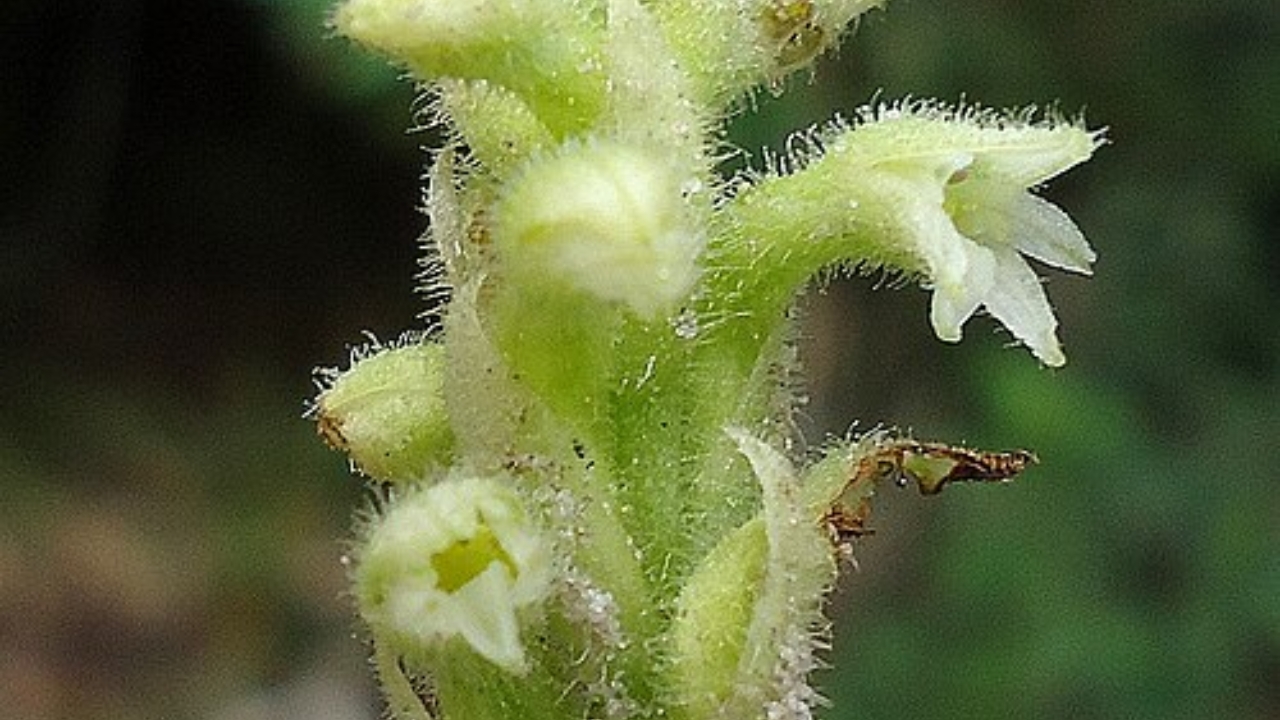
Discyphus is a fascinating and relatively uncommon plant that attracts enthusiasts with its unique growth habit, attractive foliage, and adaptability to a variety of growing conditions. While it may not be as widely known as many popular ornamental houseplants, Discyphus has steadily gained attention among collectors who appreciate unusual botanical specimens. With proper care, this plant can develop into a healthy and visually appealing addition to indoor collections, greenhouses, or sheltered outdoor gardens in suitable climates.
Understanding the plant’s natural preferences is the key to maintaining vigorous growth. Like many specialty tropical plants, Discyphus responds best when its environment closely resembles its native habitat. Factors such as light, temperature, humidity, watering practices, and soil quality all contribute significantly to its long-term health and appearance.
Understanding the Natural Habitat of Discyphus
Learning about the natural environment of Discyphus provides valuable insight into its care requirements. In its native habitat, the plant typically grows in warm, humid regions where it receives filtered sunlight beneath larger vegetation. The soil is often rich in organic matter, allowing moisture retention while still providing adequate drainage.
These conditions help explain why Discyphus prefers moderate moisture levels, consistent warmth, and protection from intense direct sunlight. Replicating these characteristics at home creates the ideal foundation for successful cultivation and healthy development.
Choosing the Right Location
Location plays a crucial role in determining how well Discyphus performs. Indoors, place the plant near a bright window where it receives indirect sunlight throughout the day. East-facing windows are often ideal because they provide gentle morning light without exposing the plant to excessive heat.
South-facing windows can also work if filtered by sheer curtains. Direct afternoon sunlight may scorch leaves, particularly during warmer months. If growing outdoors, select a partially shaded area that protects the plant from harsh midday sun while still providing sufficient brightness for healthy growth.
A stable location is generally preferable, as frequent movement can cause unnecessary stress and slow development.
Light Requirements
Discyphus thrives in bright, indirect light. Adequate illumination supports strong foliage production, healthy stems, and overall vigor. Insufficient light often results in slower growth, elongated stems, and reduced leaf density.
Although the plant appreciates bright conditions, direct sunlight should be limited. Excessive exposure can lead to leaf discoloration, brown patches, or scorching. If natural light is limited, artificial grow lights can provide an effective alternative. Position grow lights at an appropriate distance to deliver consistent illumination without generating excessive heat.
Monitoring leaf color can help determine whether lighting conditions are suitable. Healthy foliage usually indicates the plant is receiving an appropriate balance of light.
Temperature Preferences
Warm temperatures encourage steady growth and healthy foliage development. Discyphus generally performs best in temperatures ranging between 18°C and 28°C. Consistency is often more important than achieving exact temperatures.
Sudden fluctuations can stress the plant and negatively affect growth. Avoid placing it near air conditioners, heating vents, drafty windows, or frequently opened exterior doors. Cold temperatures can slow growth significantly and may cause leaf damage if exposure becomes prolonged.
During cooler seasons, maintaining a stable indoor environment helps preserve plant health and minimizes stress-related issues.
Humidity Needs
As a tropical species, Discyphus benefits from moderate to high humidity levels. Dry air may lead to brown leaf edges, reduced growth, and overall decline in appearance.
Indoor humidity can be increased through several methods. Grouping plants together naturally raises local humidity levels. Humidifiers provide the most reliable solution, especially during winter when indoor air becomes drier. Pebble trays filled with water can also offer modest humidity improvements.
While humidity is beneficial, proper air circulation remains equally important. Stagnant air combined with excessive moisture may encourage fungal problems.
Watering Practices
Proper watering is one of the most important aspects of Discyphus care. The goal is to maintain evenly moist soil without allowing it to become waterlogged. Overwatering often causes more problems than temporary dryness.
Before watering, check the upper layer of soil. If the top portion feels slightly dry, it is usually time to water again. Apply water thoroughly until excess moisture drains from the bottom of the container.
Allowing the plant to sit in standing water should be avoided, as prolonged saturation can damage roots and increase the risk of rot. During active growth periods, watering may be needed more frequently, while cooler months often require reduced moisture levels.
Observing the plant’s response helps establish an appropriate watering schedule for your specific environment.
Soil Requirements
A well-draining, nutrient-rich growing medium provides the best foundation for healthy root development. Discyphus prefers soil that retains some moisture while allowing excess water to drain freely.
A quality potting mix enhanced with organic materials such as compost, coco coir, bark, or perlite often produces excellent results. These ingredients improve aeration and prevent excessive compaction around the roots.
Heavy soils that remain wet for extended periods should be avoided because they can create unfavorable conditions for root health.
Fertilizing for Strong Growth
Regular feeding supports vigorous foliage production and overall plant vitality. During the active growing season, a balanced liquid fertilizer applied every few weeks typically provides sufficient nutrition.
Fertilizer should always be used according to label recommendations to prevent overfeeding. Excess fertilizer can damage roots and cause leaf burn. During periods of slower growth, fertilization can be reduced or temporarily suspended.
Organic fertilizers may also be beneficial, gradually supplying nutrients while improving soil quality over time.
Repotting and Root Care
As Discyphus grows, its root system eventually requires additional space. Signs that repotting may be necessary include roots emerging from drainage holes, slowed growth, or rapid drying of the soil.
Choose a container slightly larger than the current pot. Excessively large pots may retain too much moisture, increasing the risk of root problems. Fresh potting mix provides renewed nutrients and improved soil structure.
Repotting is generally best performed during the active growing season when the plant can recover more quickly from any disturbance.
Pruning and Maintenance
Routine pruning helps maintain an attractive shape and encourages healthy new growth. Remove damaged, yellowing, or dead leaves as they appear. Trimming overly long stems can promote fuller, more compact growth.
Always use clean, sharp pruning tools to minimize the risk of disease transmission. Regular inspection also allows early detection of pests, diseases, or environmental issues before they become severe.
Keeping foliage clean by gently wiping leaves helps maximize light absorption and improves the plant’s overall appearance.
Propagation Methods
Discyphus can often be propagated through stem cuttings, making it possible to expand a collection or share plants with others. Healthy cuttings taken during active growth generally root more successfully.
After selecting a healthy stem, place the cutting in water or a suitable propagation medium. Warm temperatures, high humidity, and bright indirect light support root formation. Once a strong root system develops, the young plant can be transferred to a permanent container.
Patience is important, as rooting times vary depending on environmental conditions and plant health.
Common Pests and Problems
Like many tropical plants, Discyphus may occasionally attract pests such as spider mites, aphids, mealybugs, or scale insects. Regular inspections help identify infestations before they spread.
Early treatment often involves wiping affected areas and using insecticidal soap or horticultural treatments when necessary. Maintaining proper humidity and plant health can reduce susceptibility to many pest issues.
Yellow leaves may indicate overwatering, while brown leaf tips often suggest low humidity or inconsistent watering. Adjusting care practices typically resolves these concerns.
Seasonal Care Tips
Plant needs can change throughout the year. During warmer months, active growth may require more frequent watering and regular fertilization. Increased daylight often supports faster development and fuller foliage production.
In cooler seasons, growth naturally slows. Watering should be adjusted to prevent excess moisture around the roots. Fertilization can be reduced, and attention should be given to maintaining adequate humidity levels indoors.
Seasonal observation allows growers to respond effectively to changing environmental conditions.
Conclusion
Discyphus is a rewarding plant that can thrive when provided with the right balance of light, moisture, humidity, and nutrition. Although it may require some attention to environmental conditions, the effort is well worth it for the healthy growth and distinctive beauty it offers.
By understanding its natural preferences and consistently meeting its basic needs, gardeners can enjoy a thriving Discyphus plant for many years. Careful watering, proper lighting, quality soil, and regular maintenance create the ideal conditions for strong roots, lush foliage, and long-term success.
