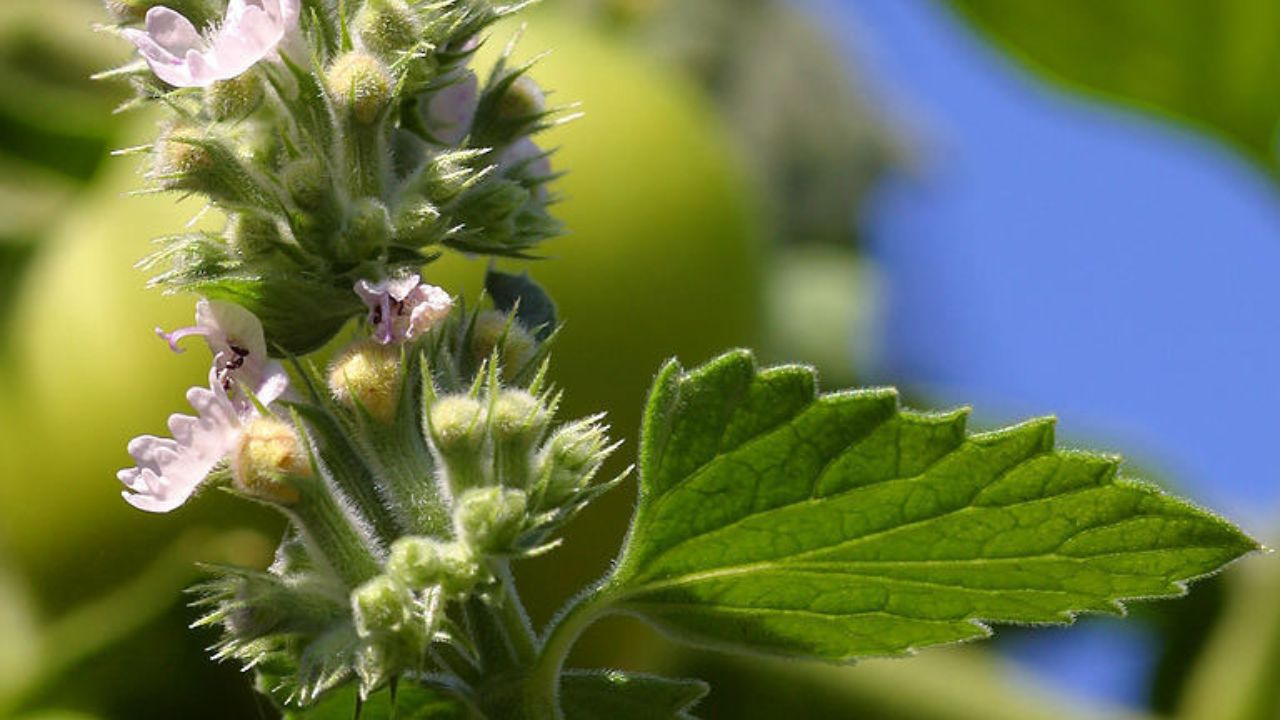
Nepeta, commonly known as catmint, is one of the easiest and most rewarding perennials you can grow in a garden. Loved for its soft gray-green foliage and abundant spikes of lavender, blue, pink, or white flowers, this hardy plant brings months of color while attracting bees, butterflies, and other beneficial pollinators. Its graceful appearance, drought tolerance, and low-maintenance nature make it an excellent choice for beginners and experienced gardeners alike.
Whether planted along pathways, in cottage gardens, mixed borders, or containers, Nepeta offers long-lasting beauty with very little effort. Once established, it thrives in challenging conditions and continues blooming from late spring well into summer, often producing another flush of flowers after trimming.
Understanding Nepeta
Nepeta belongs to the mint family and includes dozens of perennial species native to Europe, Asia, and parts of Africa. Although related to culinary mint, Nepeta is valued mainly as an ornamental plant rather than a culinary herb. Many gardeners know it for its aromatic leaves, which release a pleasant herbal fragrance when brushed or crushed.
Some varieties are famous for attracting cats due to natural compounds found in their foliage, while others have little or no effect on felines. Regardless of the variety, Nepeta is widely appreciated for its elegant flower spikes, compact growth habit, and remarkable adaptability.
Choosing the Right Planting Location
Selecting the proper location is one of the most important steps in successfully growing Nepeta. This perennial performs best in areas receiving at least six hours of direct sunlight each day. Full sun encourages abundant flowering and compact growth, although the plant can tolerate light afternoon shade in regions with extremely hot summers.
Good air circulation also helps maintain healthy foliage and reduces the chance of fungal diseases. Because Nepeta naturally forms spreading mounds, leave adequate spacing between plants so each one has room to mature without becoming overcrowded.
Soil Requirements
Nepeta is not demanding when it comes to soil, making it suitable for a wide variety of garden conditions. It grows best in well-drained soil with moderate fertility and prefers slightly alkaline to neutral pH levels.
Heavy clay soils should be improved by incorporating coarse sand, gravel, or compost to enhance drainage. Standing water around the roots can lead to rot, especially during winter. Sandy soils are generally well suited because they allow excess moisture to drain quickly.
Unlike many flowering perennials, Nepeta often performs better in average soil than in overly rich ground, where excessive nutrients may encourage leafy growth at the expense of flowers.
Planting Nepeta Successfully
Spring and early autumn are ideal times to plant Nepeta. Dig a hole approximately twice as wide as the root ball while keeping the planting depth equal to the nursery container. Position the plant carefully, backfill with soil, and gently firm it around the roots.
Water thoroughly after planting to eliminate air pockets and encourage root establishment. Adding a thin layer of mulch around the plant helps conserve moisture and suppress weeds, but keep mulch slightly away from the crown to prevent excessive moisture buildup.
Once settled into its new location, Nepeta quickly develops into a dense mound that fills empty spaces beautifully.
Watering and Moisture Management
Young Nepeta plants require regular watering during their first growing season while roots become established. The soil should remain evenly moist but never soggy.
After establishment, Nepeta becomes impressively drought tolerant. Mature plants generally require watering only during extended dry periods. Overwatering is a far more common problem than underwatering, as constantly wet soil weakens root systems and encourages disease.
Deep, infrequent watering is preferable to frequent shallow irrigation because it encourages stronger, deeper root development.
Fertilizing for Healthy Growth
One of Nepeta’s greatest advantages is its minimal fertilizer requirement. In most gardens, healthy soil provides all the nutrients the plant needs.
Applying excessive fertilizer often produces lush foliage with fewer flowers. If growth appears weak, a light application of balanced slow-release fertilizer in early spring is usually sufficient. Alternatively, mixing compost into the soil each spring provides gentle nutrition while improving soil structure.
Avoid repeated feeding throughout the growing season unless soil fertility is exceptionally poor.
Pruning and Deadheading
Regular pruning helps Nepeta remain neat and encourages prolonged blooming. As flower spikes begin to fade, removing spent blooms promotes additional flowering and prevents the plant from looking untidy.
After the main flowering period, cutting the entire plant back by about one-third often stimulates fresh foliage and a second wave of blooms later in the season. This simple maintenance task keeps plants compact and prevents stems from becoming floppy.
In late autumn or early spring, remove old, dead stems before new growth begins emerging from the crown.
Propagating Nepeta
Nepeta can be propagated using several reliable methods. Division is the easiest and most common approach for mature plants. Every three to five years, carefully dig up established clumps and separate them into smaller sections with healthy roots attached. Replant divisions immediately and water thoroughly.
Stem cuttings taken during spring or early summer also root readily in moist growing medium. Seed propagation is possible as well, although hybrid varieties may not produce offspring identical to the parent plant.
Regular division not only creates additional plants but also rejuvenates older clumps and maintains vigorous flowering.
Growing Nepeta in Containers
Nepeta adapts surprisingly well to container gardening. Choose a pot with generous drainage holes and use a high-quality, well-draining potting mix. Containers should be large enough to accommodate the plant’s spreading root system.
Because container-grown plants dry out faster than those in the ground, monitor soil moisture more frequently during hot weather. Even so, avoid allowing water to collect in saucers beneath the pots.
Position containers where they receive abundant sunlight to ensure continuous flowering throughout the growing season.
Seasonal Care Throughout the Year
Spring is the time for cleaning away old foliage, dividing mature plants if necessary, and applying a light layer of compost. As temperatures rise, fresh shoots quickly develop into attractive mounds.
Summer brings the heaviest flowering period. Occasional watering during drought and timely deadheading help maintain peak performance.
Autumn is an excellent season for planting new specimens or dividing established clumps. Allow plants to gradually prepare for dormancy as temperatures cool.
During winter, Nepeta generally requires little attention. Most varieties tolerate freezing temperatures well, provided the soil remains well drained.
Common Problems and Their Solutions
Nepeta is remarkably resistant to many common garden pests and diseases. Deer and rabbits usually avoid it because of its aromatic foliage, making it valuable in wildlife-prone gardens.
Occasionally, powdery mildew may develop if plants are overcrowded or grown in overly humid conditions. Providing proper spacing and good airflow usually prevents this issue.
Root rot is the most serious problem and almost always results from poorly drained soil or excessive watering. Ensuring excellent drainage is the best preventive measure.
Aphids may occasionally appear on tender new growth but are rarely severe enough to require treatment. Beneficial insects often control small infestations naturally.
Garden Design Ideas
Nepeta blends beautifully with a wide variety of ornamental plants. Its soft blue and lavender flowers pair especially well with roses, ornamental grasses, salvia, lavender, echinacea, yarrow, and other sun-loving perennials.
The cascading habit makes it particularly attractive along borders, retaining walls, pathways, and rock gardens. It also performs exceptionally well in cottage-style landscapes, pollinator gardens, and low-water xeriscapes.
Because it flowers over such a long season, Nepeta serves as an effective filler plant that provides continuous color between the blooming periods of other perennials.
Why Gardeners Love Nepeta
Few perennials combine beauty, durability, and ease of care as successfully as Nepeta. It thrives in difficult conditions, tolerates drought once established, attracts beneficial pollinators, and requires only minimal maintenance throughout the year.
Its long flowering season, fragrant foliage, graceful shape, and remarkable adaptability make it suitable for almost any sunny garden. Whether you’re designing a colorful perennial border, creating a pollinator-friendly landscape, or simply looking for a dependable plant that performs year after year, Nepeta consistently delivers impressive results with very little effort.
By providing plenty of sunlight, well-drained soil, occasional pruning, and moderate watering during establishment, you can enjoy healthy Nepeta plants that brighten your garden with elegant blooms season after season.
