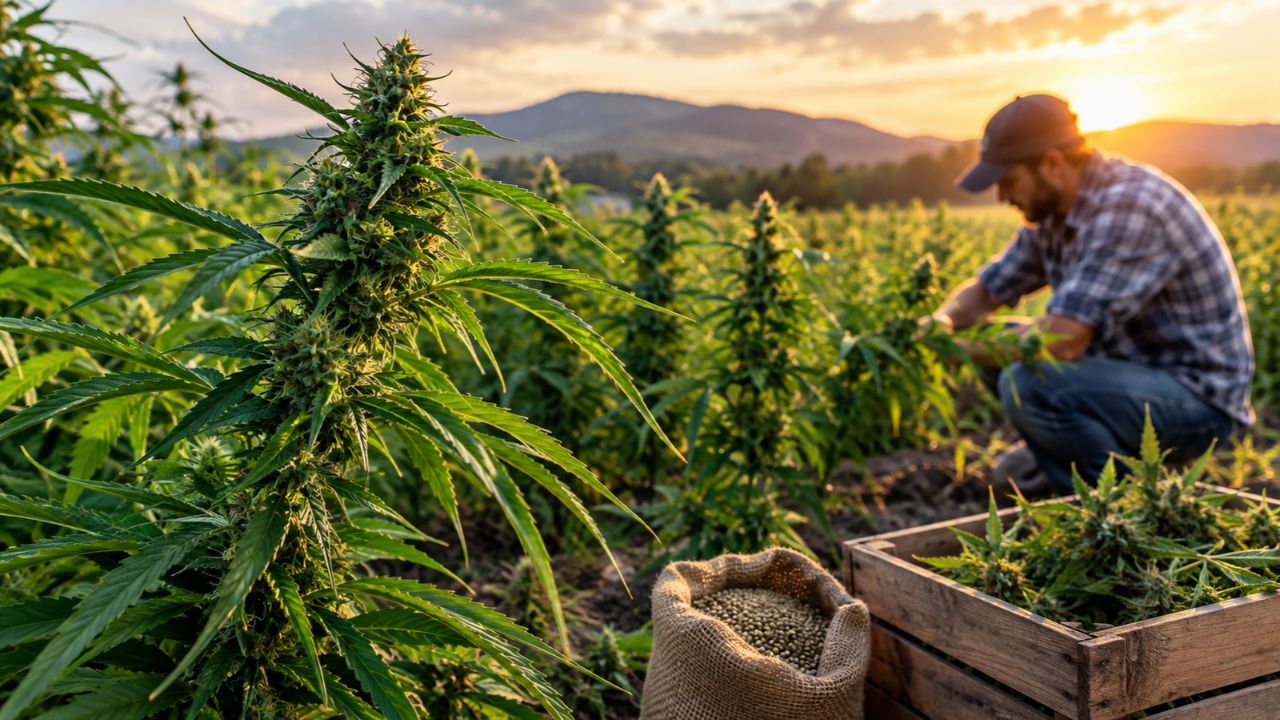
Hemp is a versatile plant belonging to the Cannabis genus and has been cultivated for centuries for its strong fibers, nutritious seeds, and useful plant oils. Today, industrial hemp is attracting renewed interest because its fibers can be used in textiles, paper, construction materials, biodegradable products, and other applications.
Although hemp and marijuana come from the same plant family, industrial hemp is generally defined by its very low concentration of THC and is subject to specific legal requirements. Anyone considering hemp cultivation should therefore begin by checking the regulations that apply in their state or country. Licensing, approved seed varieties, testing requirements, and harvesting rules can vary considerably.
Choosing Hemp for Agricultural Production
Successful hemp production begins with choosing a variety that is legally approved for the intended purpose. Fiber hemp, grain hemp, and other industrial varieties can have different characteristics and agricultural uses.
The choice should be based on the intended market as well as local regulations and environmental conditions. Certified seed from a legitimate agricultural supplier is generally preferable because it provides greater confidence regarding varietal identity and compliance.
Farmers should also consider whether there is a reliable market for the finished crop before planting. Hemp can be valuable, but transportation, processing, storage, and local demand all influence whether cultivation is commercially practical.
Preparing the Growing Site
Hemp generally performs best when grown in suitable agricultural soil with good drainage and adequate fertility. A field should be evaluated before planting so that major soil problems can be identified and corrected through appropriate agricultural practices.
Good drainage is particularly important because prolonged waterlogging can interfere with healthy root development. A well-prepared field also makes subsequent farm operations easier and can encourage more uniform crop establishment.
Crop rotation can be useful in agricultural systems because rotating different crops may support soil health and reduce pressure from certain pests and diseases. The previous crop, soil history, and local farming practices should all be considered when planning a hemp field.
Planting and Crop Establishment
Planting should follow the requirements of the legally approved variety and local agricultural recommendations. Timing is important because young plants can be affected by unfavorable weather, excessive moisture, or competition from weeds.
Uniform establishment is desirable because uneven crop growth can make field management and harvesting more difficult. Farmers should monitor the field during the early stages of development and address emerging agricultural problems before they become widespread.
Where hemp is being grown commercially, maintaining accurate records of seed sources, planting areas, and crop activities can also be important for regulatory compliance.
Light, Water, and General Care
Hemp is a vigorous annual plant that can develop substantial growth when conditions are appropriate. Adequate sunlight is important for healthy development, while water requirements depend on rainfall, soil characteristics, crop stage, and local climate.
Irrigation decisions should be based on actual field conditions rather than following a fixed schedule. Excessive watering can create problems just as insufficient moisture can, particularly in poorly drained soils.
Regular observation is one of the most important parts of crop management. Changes in plant color, growth, leaf condition, or overall vigor can indicate environmental stress or agricultural problems that require attention.
Managing Weeds and Field Competition
Weed management is particularly important while a young crop is becoming established. Weeds can compete with developing plants for sunlight, water, nutrients, and growing space.
Farmers can use an integrated approach based on appropriate field preparation, crop rotation, mechanical practices, and legally permitted agricultural products where applicable. The most suitable approach depends on the production system and local regulations.
Good field management throughout the early growth period can help establish a more uniform crop and reduce competition later in the season.
Protecting Hemp From Pests and Diseases
Like other agricultural crops, hemp can be affected by insects, fungal diseases, environmental stress, and other problems. The exact issues vary according to climate, field history, and surrounding vegetation.
Regular crop inspection makes it easier to identify unusual symptoms early. Farmers should avoid treating a problem based solely on appearance because several different causes can produce similar symptoms.
Integrated pest management is generally preferable to unnecessary chemical treatment. Identifying the actual cause of a problem, encouraging beneficial organisms, maintaining healthy fields, and using approved interventions when necessary can provide a more sustainable approach.
Supporting Healthy Crop Development
Once established, hemp can develop rapidly and produce significant above-ground growth. Proper agricultural management throughout the season helps maintain healthy plants and prepares the crop for its intended harvest.
The requirements of a fiber crop can differ from those of a grain crop, so management should always reflect the final purpose of production. Farmers should also consider local weather patterns and the maturity characteristics of their chosen legal variety.
Monitoring crop development throughout the season is especially useful because harvest timing can influence the quality and usability of the final material.
Knowing When Hemp Is Ready for Harvest
Harvest timing depends heavily on the type of hemp being produced. Fiber, grain, and other industrial applications may have different maturity indicators and processing requirements.
Rather than relying only on a calendar date, growers should monitor the crop and follow recommendations appropriate for the approved variety and intended end product. Commercial producers may also need to meet testing requirements before or around harvest.
Harvest operations should be planned in advance because hemp can produce substantial plant material that requires appropriate equipment, transportation, drying, and storage arrangements.
Harvesting and Handling the Crop
The harvesting process varies according to whether the crop is intended for fiber, grain, or another permitted industrial purpose. After harvesting, the material may require drying, separation, processing, or storage before it can reach its intended market.
Proper handling is important because poor storage conditions can reduce quality and encourage deterioration. Grain and other plant materials should be handled according to applicable agricultural and food-safety requirements.
For commercial growers, post-harvest planning is just as important as field production. Having suitable buyers, processors, transportation, and storage facilities can make a major difference in the overall success of a hemp enterprise.
Legal Considerations for Hemp Cultivation
Legal compliance should always come before planting. Hemp cultivation is regulated differently around the world, and even within individual countries the rules may differ between regions.
Requirements can include cultivation licenses, approved varieties, THC testing, reporting obligations, inspection procedures, and restrictions on where crops may be grown. A crop that does not meet the applicable legal definition of industrial hemp can create serious regulatory problems.
For this reason, growers should contact the relevant agricultural or regulatory authority before purchasing seed or establishing a commercial crop.
Common Challenges When Growing Hemp
Hemp production can face challenges including unsuitable soil, unpredictable weather, weed pressure, pests, disease, harvesting difficulties, and limited processing infrastructure.
Another important challenge is market access. Hemp is not simply a crop that can be planted and sold without planning. Different products require different processing systems, and local demand can determine whether production is economically worthwhile.
Careful planning, appropriate variety selection, legal compliance, field monitoring, and reliable post-harvest arrangements can help reduce these risks.
Final Thoughts on Hemp Cultivation
Hemp is an increasingly interesting agricultural crop with applications ranging from fiber and textiles to seed, food ingredients, paper, and sustainable materials. Its versatility makes it attractive to farmers and manufacturers, but successful production requires more than simply growing the plant.
Understanding the intended end product, selecting an approved variety, preparing suitable farmland, monitoring crop health, planning the harvest, and complying with local regulations are all essential parts of responsible industrial hemp production. With proper agricultural planning and a clear understanding of the legal and commercial environment, hemp can play a useful role in diversified farming systems.
