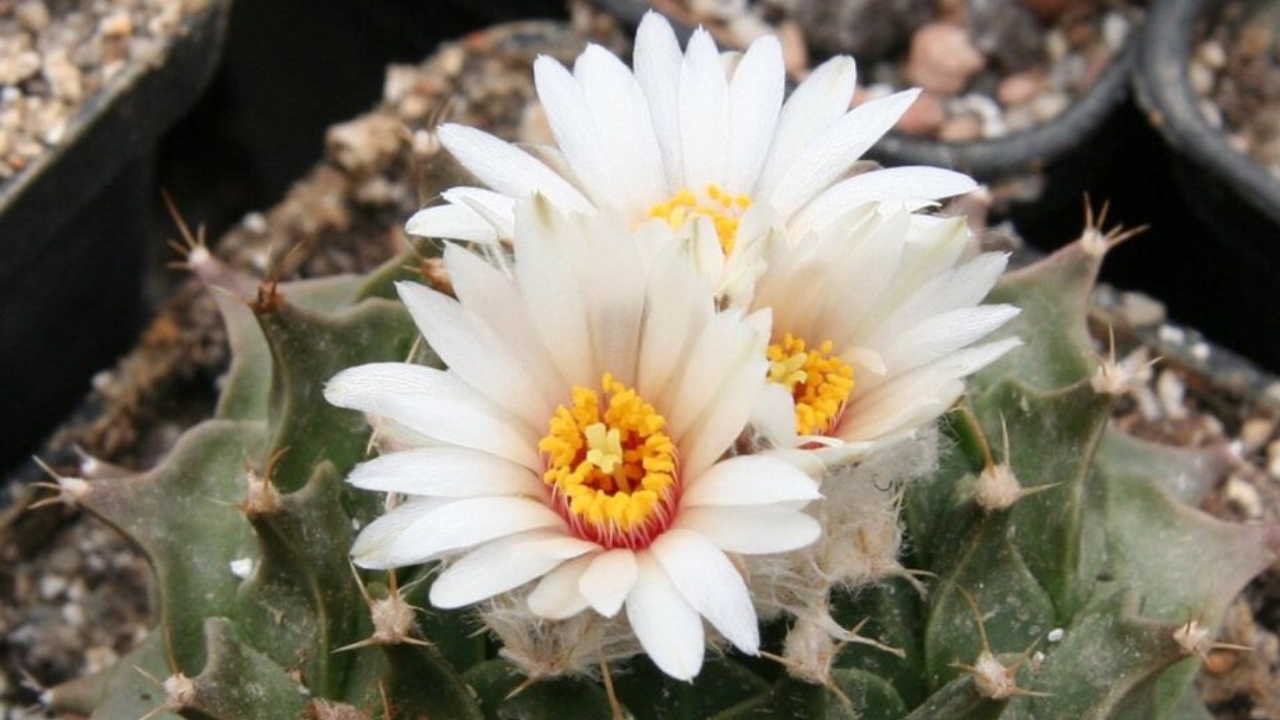
Obregonia is one of the most fascinating and sought-after succulents among cactus enthusiasts. Native to a small region of northeastern Mexico, this rare plant is admired for its unique appearance, slow growth, and collector appeal. Unlike many traditional cacti, Obregonia has a distinctive geometric structure formed by overlapping triangular tubercles that create a beautiful rosette pattern. Its unusual shape often leads people to compare it to an artfully arranged stone flower rather than a cactus.
Because of its rarity and specialized growing requirements, Obregonia is often considered an advanced collector’s plant. However, with the right care and understanding of its natural habitat, even beginners can successfully cultivate a healthy and thriving specimen. Learning how to provide proper soil, watering, sunlight, and seasonal care will greatly improve long-term success.
Understanding the Natural Habitat
To grow Obregonia successfully, it helps to understand where it naturally grows. In the wild, this cactus survives in rocky limestone environments with excellent drainage and limited rainfall. Temperatures are generally warm throughout the year, while intense sunlight is often filtered by surrounding vegetation and rocky terrain.
The plant has evolved to conserve moisture and withstand drought conditions. Its root system is particularly sensitive to prolonged wetness, which means growers must replicate dry, fast-draining conditions in cultivation. Mimicking its natural habitat is often the key to preventing common growing problems.
Choosing the Right Growing Container
Selecting an appropriate container plays an important role in maintaining plant health. Obregonia performs best in pots that allow excess water to drain quickly. Containers with large drainage holes are highly recommended because standing water can quickly lead to root rot.
Unglazed clay pots are especially beneficial because they allow moisture to evaporate through the sides of the container. This helps keep the root zone drier and creates a healthier environment for slow-growing succulents. The pot should be only slightly larger than the root system, as oversized containers can retain excess moisture for extended periods.
Creating the Ideal Soil Mix
One of the most important factors in successful Obregonia cultivation is soil quality. Standard potting soil alone is usually too dense and moisture-retentive. Instead, growers should use a highly mineral-based cactus mix that promotes rapid drainage.
A suitable blend may include pumice, coarse sand, lava rock, crushed granite, and a small amount of organic material. The goal is to create a loose substrate that allows water to pass through quickly while providing enough stability for root development. Well-aerated soil helps reduce the risk of fungal problems and encourages healthy growth.
Light Requirements for Healthy Growth
Obregonia appreciates bright light but often benefits from some protection during the hottest part of the day. In cultivation, filtered sunlight or bright indirect light typically produces the best results. Morning sun combined with afternoon shade often mirrors the conditions found in its native environment.
Plants grown indoors should be placed near a bright window where they can receive several hours of strong light daily. If natural light is limited, supplemental grow lights can help maintain compact growth and healthy coloration. Insufficient light may cause stretching and weaken the plant over time.
Watering Obregonia Properly
Watering is perhaps the most critical aspect of Obregonia care. Like many desert succulents, it prefers a soak-and-dry approach. This means thoroughly watering the soil and then allowing it to dry completely before watering again.
During the active growing season, watering frequency depends on temperature, humidity, and soil composition. The plant generally requires more moisture in warm weather and significantly less during cooler months. Overwatering remains the most common cause of failure and should always be avoided.
When in doubt, it is safer to wait a few extra days before watering. Obregonia can tolerate temporary drought far better than continuously wet conditions.
Temperature and Climate Preferences
Warm temperatures encourage healthy growth throughout the growing season. Obregonia generally thrives in temperatures ranging from 20°C to 32°C. Good airflow around the plant helps maintain a healthy growing environment and reduces moisture-related issues.
While mature specimens can tolerate brief periods of cooler weather, prolonged exposure to freezing temperatures can cause serious damage. Growers in colder climates should bring plants indoors or provide frost protection during winter. Maintaining a dry root zone during cool conditions significantly improves cold tolerance.
Fertilizing for Steady Development
Because Obregonia is naturally slow-growing, it does not require heavy feeding. A balanced cactus fertilizer applied at reduced strength during the active growing season is usually sufficient.
Fertilizing once every four to six weeks during spring and summer can support healthy root development and flowering potential. Excess fertilizer should be avoided because it may encourage weak, unnatural growth. Moderation is essential when feeding this species.
Seasonal Care Throughout the Year
Obregonia experiences different growth patterns throughout the seasons. During spring and summer, the plant becomes more active and benefits from regular monitoring, occasional feeding, and carefully managed watering.
As temperatures cool in autumn, growth gradually slows. Watering should be reduced accordingly to prevent excess moisture accumulation. Winter is typically a resting period, during which the plant requires very little water. Maintaining a cool, dry environment during dormancy helps prepare it for vigorous growth when warmer weather returns.
Propagation Methods
Propagating Obregonia can be challenging because it rarely produces offsets. Seed propagation is the most common and reliable method used by growers and collectors.
Fresh seeds generally offer the highest germination rates. They should be sown on a sterile, well-draining substrate and kept warm with moderate humidity during germination. Seedlings develop slowly and require patience, but watching them mature over time can be highly rewarding.
Young plants are particularly vulnerable to excess moisture, so careful watering practices remain essential throughout the early stages of development.
Flowering and Appearance
A healthy, mature Obregonia can produce attractive flowers that emerge from the center of the plant. The blooms are usually light-colored and create a striking contrast against the geometric arrangement of tubercles.
Flowering often occurs during warmer months when the plant receives adequate light and proper seasonal care. While the flowers are beautiful, many collectors value Obregonia primarily for its architectural structure and unusual visual appeal.
Its sculptural appearance makes it a standout specimen in succulent collections and display gardens.
Common Problems and Solutions
Most issues encountered when growing Obregonia stem from improper watering practices. Root rot, fungal infections, and tissue softening are often signs that the soil remains wet for too long.
Insufficient light can result in elongated growth and reduced vigor. Relocating the plant to a brighter position usually helps correct this problem. Pests such as mealybugs and spider mites may occasionally appear, particularly in indoor environments. Regular inspections allow early detection and treatment before infestations become severe.
Good airflow, proper drainage, and careful watering are the best preventive measures against most problems.
Long-Term Care and Maintenance
Obregonia rewards patience more than rapid intervention. Because it grows slowly, dramatic changes are rarely necessary. Consistency in care often produces better results than frequent adjustments.
Repotting should only be performed when the plant has clearly outgrown its container or when the soil has deteriorated. Handling the roots gently helps minimize transplant shock. Over time, a well-maintained specimen can become an impressive centerpiece within a succulent collection.
Collectors often develop a special appreciation for Obregonia because its slow development allows them to observe subtle changes and seasonal patterns year after year.
Conclusion
Growing Obregonia successfully requires an understanding of its desert origins and a commitment to providing excellent drainage, careful watering, and bright light. Although it is considered a rare and somewhat demanding succulent, the plant is far from impossible to cultivate. By recreating the dry, rocky conditions of its natural habitat and avoiding common mistakes, growers can enjoy a healthy specimen for many years.
Its remarkable geometric form, slow-growing character, and collector appeal make Obregonia one of the most rewarding succulents available. With patience and consistent care, this extraordinary cactus can become a treasured highlight of any succulent collection.
