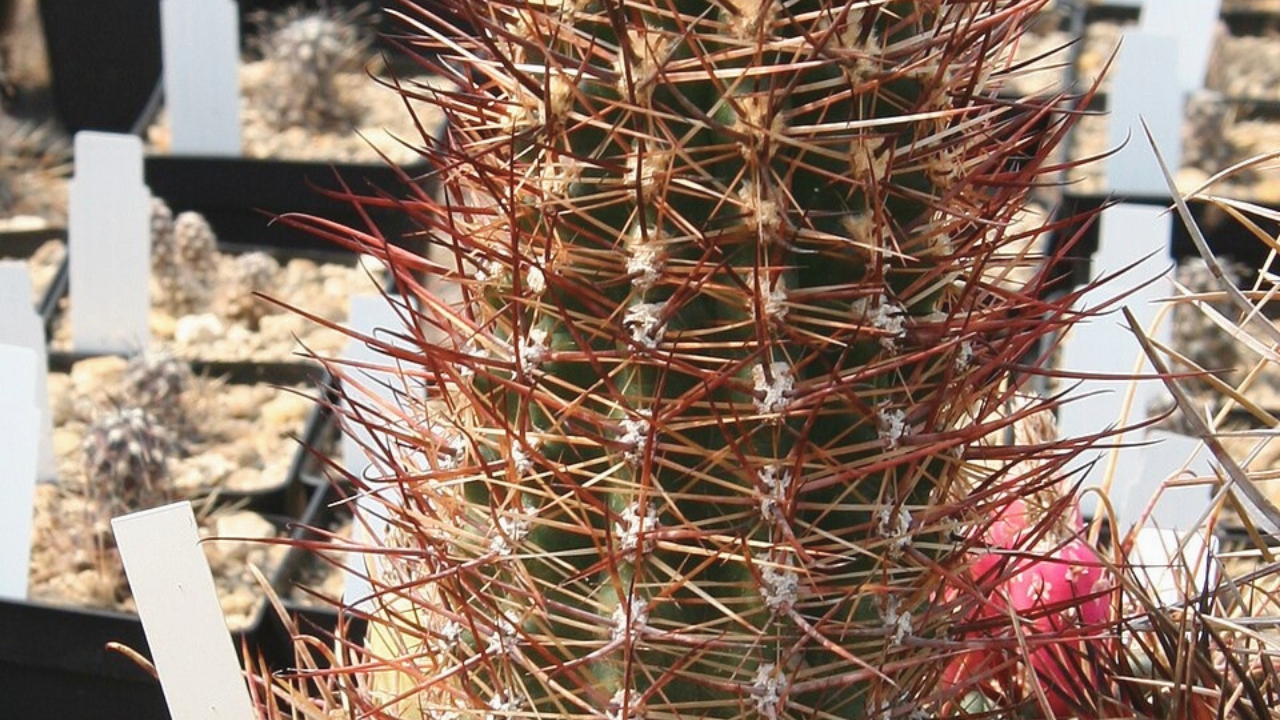
Austrocactus is a fascinating group of cacti native to the cool and rugged regions of southern South America, particularly Argentina and Chile. Unlike many desert cacti that thrive in scorching heat, Austrocactus species are adapted to colder climates and often experience frost, snow, and seasonal rainfall in their natural habitats. Their unique appearance, impressive spines, and colorful flowers make them highly desirable among cactus enthusiasts and collectors.
These plants vary in growth habit, with some producing upright stems while others spread along the ground. Their ability to tolerate cooler temperatures sets them apart from many other cactus varieties. Whether you are a beginner looking for a hardy cactus or an experienced collector seeking something unusual, Austrocactus can be an excellent addition to your collection.
Understanding the Natural Habitat
Learning about the native environment of Austrocactus is one of the best ways to understand its care requirements. In the wild, these cacti grow in rocky, well-drained soils where water never remains around the roots for long periods. The climate often includes cool summers, cold winters, and occasional snowfall.
Because these plants evolved in such conditions, they generally appreciate brighter light and cooler temperatures compared to many tropical succulents. Replicating these environmental conditions at home can significantly improve growth and flowering performance.
Choosing the Right Pot and Soil
Proper soil selection is essential for maintaining a healthy Austrocactus. The roots are highly sensitive to excess moisture, making drainage the most important factor.
A cactus mix combined with coarse sand, pumice, perlite, or small gravel works exceptionally well. The goal is to create a growing medium that allows water to move quickly through the pot while still retaining enough moisture for root development.
When selecting a container, choose a pot with drainage holes. Terracotta pots are often preferred because they allow excess moisture to evaporate more efficiently than plastic containers. This additional airflow around the root zone helps prevent rot and promotes healthier growth.
Light Requirements for Healthy Growth
Austrocactus thrives in bright conditions and generally performs best with several hours of direct sunlight each day. Outdoor plants often benefit from morning and afternoon sun, while indoor specimens should be placed near a bright south-facing or west-facing window whenever possible.
Insufficient light can lead to weak, stretched growth and reduced flowering. However, sudden exposure to intense sunlight after a period in shade can cause sunburn. Gradually acclimating the plant to brighter conditions helps prevent damage and allows it to adapt successfully.
Healthy plants exposed to adequate light typically develop stronger spines, compact growth, and improved flowering potential.
Watering Techniques That Prevent Problems
One of the most common mistakes in cactus care is overwatering. Austrocactus prefers a soak-and-dry approach, meaning the soil should dry thoroughly before the next watering.
During active growth in spring and summer, water deeply and then allow the growing medium to dry completely. The exact frequency depends on temperature, humidity, pot size, and soil composition. In hotter weather, watering may be required more frequently, while cooler conditions may significantly reduce the need.
As autumn approaches, gradually decrease watering. During winter dormancy, water only sparingly. Excess moisture during cold weather is one of the leading causes of root rot and plant loss.
Always check the soil before watering rather than following a fixed schedule.
Temperature and Seasonal Care
One of the most remarkable features of Austrocactus is its tolerance for cooler temperatures. Many species can withstand light frost when kept relatively dry. This makes them suitable for growers in regions where temperatures occasionally drop below freezing.
During the growing season, moderate temperatures support vigorous development. Good air circulation also helps maintain plant health and reduces the risk of fungal issues.
Winter is an important rest period. Cooler temperatures combined with reduced watering encourage dormancy and often contribute to better flowering the following season. Maintaining this natural seasonal cycle is beneficial for long-term health.
Fertilizing for Stronger Plants
Although Austrocactus does not require heavy feeding, occasional fertilization can support growth and flowering. A balanced cactus fertilizer diluted to half strength is usually sufficient.
Apply fertilizer during the active growing season, typically from spring through mid-summer. Avoid excessive nitrogen, as it may encourage soft, weak growth that is more vulnerable to pests and disease.
Fertilization should be reduced or stopped entirely during autumn and winter when the plant is dormant. Overfeeding during inactive periods can stress the plant and disrupt its natural growth cycle.
Propagation Methods
Propagation is a rewarding way to expand your collection or share plants with fellow enthusiasts. Austrocactus can often be propagated from seeds and offsets, depending on the species.
Seed propagation requires patience but offers the opportunity to grow many plants at once. Fresh seeds generally provide the best germination rates. Use a well-draining seed-starting mix and maintain moderate moisture until seedlings become established.
Some species produce offsets that can be removed and rooted separately. Allow any cut surfaces to dry and callus before planting. This reduces the risk of infection and promotes successful rooting.
Young plants should be protected from extreme temperatures and intense sunlight until they become well established.
Encouraging Beautiful Flowers
Flowering is one of the most rewarding aspects of growing Austrocactus. The blooms can appear in shades of yellow, pink, red, purple, or orange, depending on the species.
To maximize flowering potential, provide bright light, proper seasonal dormancy, and consistent care throughout the year. Plants that receive insufficient light or remain continuously warm during winter may be less likely to bloom.
Mature specimens generally flower more reliably than younger plants. Patience is often necessary, but the spectacular display of colorful flowers is well worth the wait.
Common Problems and Solutions
Like most cacti, Austrocactus is relatively low maintenance when grown under appropriate conditions. However, a few issues can occasionally arise.
Root rot is the most serious problem and is usually caused by excessive moisture. Using fast-draining soil and careful watering practices greatly reduces this risk.
Pests such as mealybugs, spider mites, and scale insects may occasionally appear. Regular inspection allows early detection and treatment before infestations become severe.
Discoloration, stretched growth, or poor flowering often indicate insufficient light. Adjusting the plant’s location can usually resolve these issues.
Environmental stress caused by sudden temperature changes may also affect growth. Consistent conditions and gradual transitions help maintain plant health.
Long-Term Care and Maintenance
Austrocactus can live for many years when given proper care. Periodic repotting every few years helps refresh the soil and provides additional room for root development. Repotting is best performed during the active growing season when the plant can recover quickly.
When handling these cacti, use gloves or folded newspaper to protect yourself from the sharp spines. Carefully inspect the roots during repotting and remove any damaged or unhealthy sections.
Routine observation is one of the best maintenance practices. Monitoring growth patterns, watering needs, and overall appearance allows potential problems to be identified before they become serious.
Conclusion
Austrocactus is a unique and rewarding cactus genus that combines rugged beauty with surprising cold tolerance. By providing bright light, excellent drainage, careful watering, and a proper winter rest period, growers can enjoy healthy plants that thrive for many years. Whether cultivated for their distinctive spines, unusual growth habits, or vibrant flowers, these remarkable cacti bring character and interest to any succulent collection. With patience and consistent care, Austrocactus can become one of the most impressive and dependable plants in your garden or indoor display.
