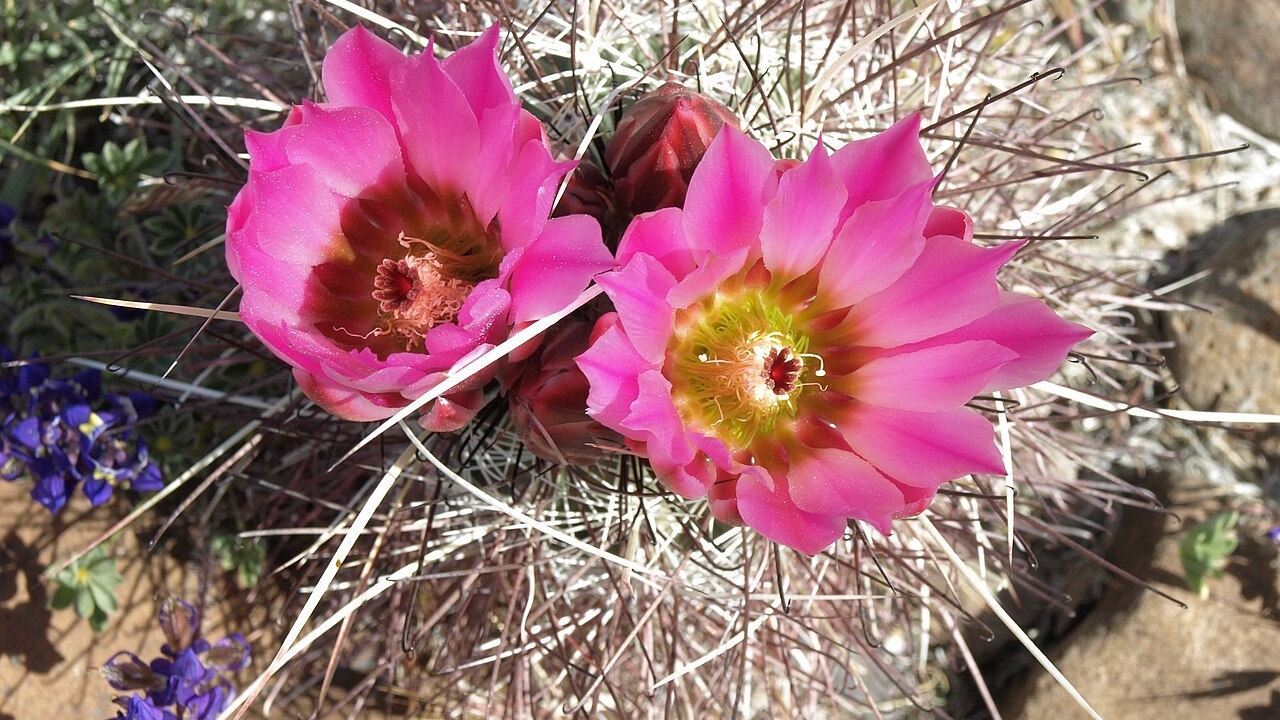
Sclerocactus is a fascinating genus of cacti native to the arid regions of the western United States. Often referred to as fishhook cacti due to their distinctive curved spines, these plants are admired by collectors for their rugged beauty, compact growth habits, and remarkable ability to survive in some of the harshest environments on Earth. Unlike many common houseplant cacti, Sclerocactus species have evolved to thrive in rocky deserts where temperatures fluctuate dramatically between day and night.
Their striking appearance, combined with colorful seasonal blooms, makes them highly desirable among cactus enthusiasts. While they are not considered beginner-level cacti, understanding their natural habitat and growth requirements can significantly improve your chances of success.
Choosing the Right Growing Environment
Creating conditions that closely resemble the cactus’s native habitat is the key to healthy growth. Sclerocactus prefers a bright, open environment with excellent air circulation and plenty of sunlight throughout the day.
Outdoor cultivation is often ideal in regions with dry climates and mild winters. In cooler or wetter areas, growing these cacti in containers allows better control over moisture levels and winter protection. When grown indoors, place the plant near a south-facing window or under high-quality grow lights to ensure it receives sufficient light.
Good airflow is equally important because stagnant conditions can encourage fungal problems and rot. Whether grown indoors or outdoors, avoid overcrowding plants and provide ample space around each specimen.
Light Requirements for Healthy Growth
Sunlight is one of the most important factors in Sclerocactus care. These desert natives thrive in bright, direct sunlight and generally require at least six to eight hours of sun each day.
Plants that do not receive enough light may become elongated, weak, or lose their natural shape. Their spines may also become less pronounced, reducing their ornamental appeal. When introducing a newly purchased plant to full sun, do so gradually to prevent sunburn. A sudden transition from shade to intense sunlight can damage the plant’s tissues.
Indoor growers should supplement natural light with grow lamps if sunlight is limited. Consistent light exposure encourages compact growth and promotes flowering during the growing season.
Soil Requirements and Proper Potting Mix
One of the most common reasons Sclerocactus fails in cultivation is poor soil drainage. These cacti require an extremely fast-draining growing medium that mimics the rocky, mineral-rich soils of their natural habitat.
A suitable mix often contains coarse sand, pumice, gravel, crushed granite, and a small amount of cactus soil. The goal is to create a substrate that allows water to flow through quickly while preventing prolonged moisture retention around the roots.
Avoid using standard potting soil alone, as it typically holds too much water. Containers should also have drainage holes to prevent water accumulation. Clay or terracotta pots are often preferred because they allow excess moisture to evaporate more efficiently than plastic containers.
Watering Sclerocactus the Right Way
Watering is perhaps the most critical aspect of Sclerocactus care. These plants are adapted to survive long periods of drought and are highly sensitive to overwatering.
During the active growing season, usually spring through early summer, water deeply but infrequently. Allow the soil to dry completely before watering again. Rather than following a strict schedule, check the soil and environmental conditions before adding water.
In autumn and winter, reduce watering significantly. Many species enter a dormant phase during cooler months and require very little moisture. Excessive watering during dormancy is a common cause of root rot and plant loss.
When in doubt, it is generally safer to underwater than overwater a Sclerocactus. Healthy plants can tolerate temporary dryness far better than consistently wet soil.
Temperature and Climate Considerations
Sclerocactus species are surprisingly resilient and can withstand a broad range of temperatures when kept dry. Many species naturally experience freezing winters in their native habitats and have developed remarkable cold tolerance.
However, cold resistance varies among species and depends heavily on soil moisture. A dry cactus can tolerate significantly lower temperatures than one growing in wet conditions. During winter, protecting plants from excessive rainfall or snow accumulation is often more important than protecting them from cold itself.
During summer, these cacti appreciate warm temperatures and abundant sunlight. Good ventilation helps prevent heat stress during extremely hot weather.
Fertilizing for Strong Growth and Blooming
Sclerocactus generally requires minimal fertilization. Excess nutrients can encourage weak, unnatural growth that is less resistant to environmental stress.
During the growing season, a diluted cactus fertilizer with low nitrogen content can be applied once or twice. Balanced formulations designed specifically for cacti and succulents are often suitable.
Avoid fertilizing during dormancy, as the plant is not actively growing and cannot effectively utilize the nutrients. Overfertilization may also reduce flowering and increase susceptibility to disease.
A modest feeding schedule combined with proper light and watering usually produces healthier plants than frequent fertilizer applications.
How to Propagate Sclerocactus Successfully
Propagation of Sclerocactus can be challenging but rewarding. Most species are grown from seed because offsets are uncommon in many varieties.
Seeds should be sown in a sterile, well-draining medium and kept in a warm environment with bright indirect light. Germination times vary depending on species and environmental conditions. Maintaining moderate moisture during the germination phase is important, but excessive wetness should be avoided.
Young seedlings grow slowly and require patience. As they mature, gradually introduce them to brighter light and drier conditions. Because growth rates are often slow, it may take several years before seedlings resemble mature plants.
Some specialized growers use grafting techniques to accelerate growth, but seed propagation remains the preferred method for maintaining natural plant characteristics.
Common Problems and How to Prevent Them
Like many desert plants, Sclerocactus is relatively resistant to pests when grown under proper conditions. However, several issues can arise if environmental requirements are not met.
Root rot is the most serious threat and usually results from excessive watering or poorly draining soil. Early signs include discoloration, soft tissue, and loss of vigor. Prevention through proper watering practices is far easier than treatment.
Mealybugs, spider mites, and scale insects may occasionally appear, particularly on indoor plants. Regular inspections help identify infestations before they become severe. Prompt treatment with appropriate pest-control methods can prevent long-term damage.
Insufficient light, excessive humidity, and poor airflow may also contribute to fungal problems and weakened growth.
Encouraging Beautiful Flowers
One of the most rewarding aspects of growing Sclerocactus is witnessing its spectacular blooms. Depending on the species, flowers may appear in shades of pink, purple, yellow, white, or cream.
Providing abundant sunlight throughout the year is essential for flower production. Seasonal temperature fluctuations and a proper winter rest period often help stimulate blooming. Plants that receive excessive water or fertilizer may focus on vegetative growth rather than flower development.
Patience is important because many Sclerocactus species take several years to reach flowering size. Once mature, however, their blooms can be truly impressive and often contrast beautifully with their dense spines.
Expert Tips for Long-Term Success
Successful Sclerocactus cultivation revolves around understanding one simple principle: these plants prefer conditions that are drier and more mineral-rich than most gardeners initially expect. Prioritize excellent drainage, provide generous sunlight, and avoid the temptation to water too frequently.
Observe your plant closely and adjust care based on seasonal changes rather than rigid schedules. Protect roots from prolonged moisture, especially during cold weather, and maintain good airflow around the plant year-round.
With patience and careful attention to its natural preferences, Sclerocactus can become a long-lived and highly rewarding addition to any cactus collection. Its unique form, resilience, and stunning flowers make it a remarkable plant for enthusiasts seeking something truly special.
