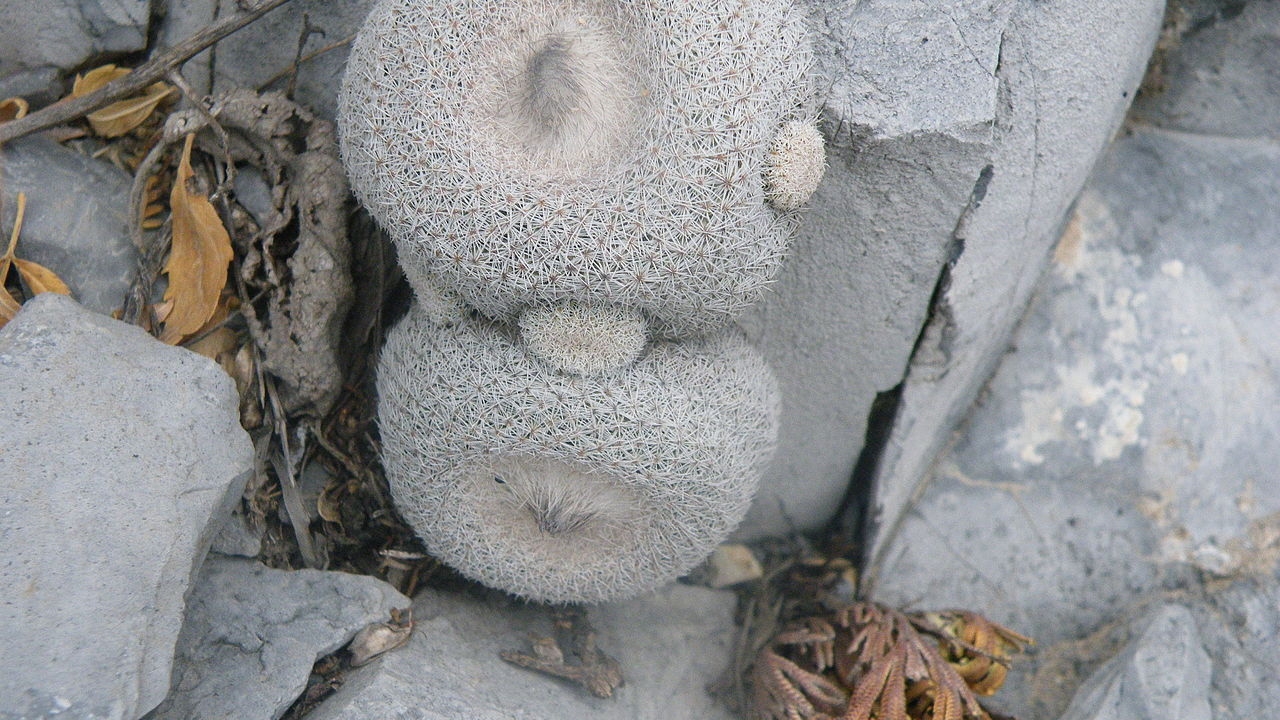
The Epithelantha cactus is a fascinating and highly sought-after plant among cactus enthusiasts. Known for its tiny size, delicate appearance, and unique growth habits, this miniature cactus originates from the arid regions of northern Mexico and parts of the southwestern United States. Despite its small stature, Epithelantha is remarkably resilient and can thrive for many years when provided with the right growing conditions.
One of the reasons this cactus has gained popularity is its attractive white spines that often create a soft, fuzzy appearance. During the growing season, it produces small pink or pale flowers followed by bright red fruits that add further ornamental value. Whether grown in a collection, a rock garden, or a decorative container, Epithelantha offers a distinctive charm that stands out among other succulents and cacti.
Understanding the Natural Habitat
To successfully grow an Epithelantha cactus, it is important to understand where it comes from. In its natural environment, this cactus grows in rocky, well-draining soils where rainfall is infrequent and sunlight is abundant. Temperatures can fluctuate significantly between day and night, and the plant has adapted to survive long periods of drought.
These natural conditions provide valuable clues for home cultivation. Replicating a dry environment with excellent drainage and plenty of sunlight will help the cactus remain healthy and prevent many common growing problems. Understanding its desert origins is often the key to long-term success.
Choosing the Right Growing Medium
The foundation of healthy cactus growth begins with proper soil. Epithelantha cactus requires a fast-draining growing medium that prevents water from accumulating around the roots. Standard potting soil often retains too much moisture and can lead to root rot.
A cactus-specific soil mix is usually the best choice. Many growers improve drainage further by adding coarse sand, pumice, perlite, or small gravel. The goal is to create a loose and airy medium that allows water to move through quickly while still providing enough support for the root system.
When planting in containers, ensure that the pot has drainage holes. Even the best soil cannot compensate for standing water trapped inside a container.
Light Requirements for Healthy Growth
Sunlight plays a critical role in maintaining the compact shape and healthy appearance of Epithelantha cactus. These plants generally prefer bright light and several hours of direct sunlight each day. An indoor location near a south-facing or west-facing window is often ideal.
While mature specimens can tolerate strong sunlight, newly purchased or recently propagated plants should be introduced gradually to prevent sunburn. Sudden exposure to intense sunlight may cause discoloration or damage to the plant tissue.
If natural light is limited, supplemental grow lights can help provide the brightness needed for steady growth. Adequate lighting encourages stronger spines, healthier growth patterns, and improved flowering.
Watering Epithelantha Correctly
Overwatering is one of the most common reasons cactus growers experience problems. Epithelantha cactus is highly drought tolerant and prefers periods of dryness between waterings.
During the active growing season in spring and summer, water thoroughly but allow the soil to dry completely before watering again. Depending on climate conditions, this may mean watering every couple of weeks or even less frequently.
In autumn and winter, growth slows considerably. During this dormant period, watering should be reduced significantly. In many cases, only occasional moisture is needed to prevent excessive shriveling. Consistently wet soil during dormancy can quickly lead to root damage and fungal issues.
Temperature and Humidity Preferences
Epithelantha cactus enjoys warm temperatures and dry air. Typical household conditions are generally suitable, especially during the growing season. Daytime temperatures between 65°F and 90°F (18°C to 32°C) promote healthy development.
Many species can tolerate brief periods of cooler weather if kept dry, but prolonged freezing temperatures should be avoided unless the particular species is known for cold tolerance. When growing outdoors, protection from frost is recommended in colder climates.
Unlike tropical houseplants, Epithelantha does not require high humidity. In fact, dry conditions are often preferable because they reduce the risk of fungal diseases and rot.
Fertilizing for Strong Growth
Although Epithelantha cactus can survive in nutrient-poor conditions, occasional feeding can support healthier growth and flowering. A diluted cactus fertilizer applied during the growing season is usually sufficient.
Fertilization should be limited to spring and summer when the plant is actively growing. Excess fertilizer may encourage unnatural growth or damage sensitive roots. A balanced approach is best, focusing on steady development rather than rapid expansion.
Many experienced growers feed their cacti only a few times each year, allowing the plants to maintain their naturally compact and attractive form.
How to Propagate Epithelantha Cactus
Propagation can be a rewarding way to expand a collection or share plants with fellow enthusiasts. Epithelantha is commonly propagated through seeds, although some clustering species may also produce offsets.
Growing from seed requires patience but allows growers to observe the entire life cycle of the plant. Fresh seeds are typically sown on the surface of a sterile, well-draining medium and kept lightly moist until germination occurs. Warm temperatures and bright indirect light help encourage successful sprouting.
When offsets are available, they can be carefully separated and allowed to dry for several days before planting. This drying period helps prevent infection and promotes successful rooting.
Regardless of the propagation method, young plants should be protected from extreme conditions until they become well established.
Common Problems and Solutions
Epithelantha cactus is generally low maintenance, but certain issues can arise if growing conditions are not ideal. Root rot is perhaps the most serious problem and is almost always linked to excessive moisture. Improving drainage and reducing watering frequency are usually the best solutions.
Pests such as mealybugs and spider mites may occasionally appear. Regular inspection helps detect infestations early. A gentle cleaning or appropriate treatment can usually control these pests before significant damage occurs.
Stretching or elongated growth often indicates insufficient light. Moving the plant to a brighter location typically resolves the issue and encourages more compact development.
Discoloration, soft tissue, or unusual spots may signal environmental stress. Reviewing watering practices, light levels, and temperature conditions often helps identify the underlying cause.
Encouraging Flowers and Fruit
Many growers look forward to the charming flowers produced by Epithelantha cactus. While the blooms are small, they add considerable beauty to the plant and are often followed by attractive red fruits.
Providing adequate sunlight is one of the most important factors for flowering. Mature plants that experience proper seasonal cycles, including a cooler and drier winter rest period, are generally more likely to bloom.
Patience is essential because some specimens require several years before reaching flowering size. Consistent care over time usually rewards growers with seasonal displays that enhance the plant’s appeal.
Why Epithelantha Makes an Excellent Collector’s Plant
Epithelantha cactus combines beauty, resilience, and uniqueness in a remarkably compact package. Its intricate spine patterns, delicate flowers, and bright fruits make it an attractive addition to any cactus collection. Because it occupies very little space, even growers with limited room can enjoy multiple specimens.
With proper soil, careful watering, bright light, and occasional feeding, this miniature desert plant can thrive for many years. Its manageable care requirements make it suitable for both beginners and experienced cactus enthusiasts. By understanding its natural needs and providing a stable environment, growers can enjoy the distinctive charm of Epithelantha cactus for decades.
